
Home / Environment / Silent Trees Mourn: Uttarakhand's Green Loss
Silent Trees Mourn: Uttarakhand's Green Loss
13 May
Summary
- Thousands of trees felled for development projects in Uttarakhand.
- A protest mirrored the Chipko movement, physically opposing tree felling.
- Over 83,000 trees cut in Uttarakhand in the last five years.
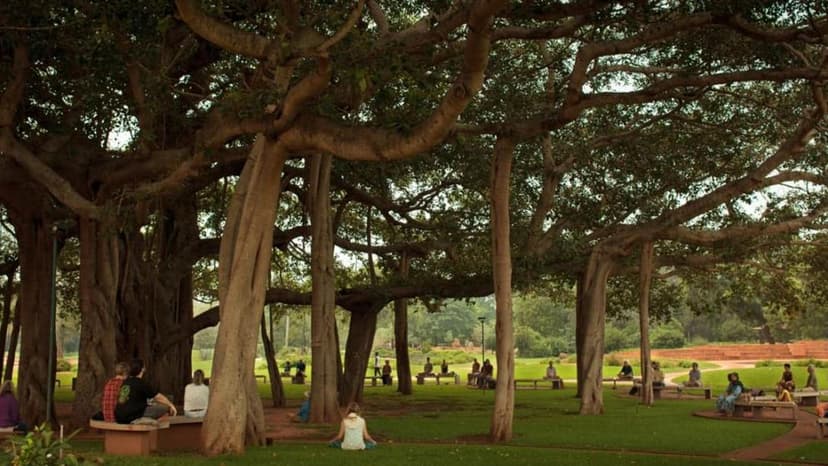
A silent protest in Dehradun in March 2025 mourned trees felled for development, reminiscent of the Chipko Movement. Hundreds gathered, their mouths bound, paying homage to trees lost and those marked for future destruction, with 4,400 trees slated for the Dehradun-Rishikesh road.
In the last five years, Uttarakhand reported nearly 83,000 trees cut, including ancient specimens over 200 years old. Experts note that official counts often exclude younger trees and shrubs, underestimating the true loss. Efforts to translocate trees have generally proven unsuccessful.
Across India, similar struggles unfold. In Jaipur, citizens protest the felling of 600 trees for a mall, highlighting the destruction of a 100-acre forest rich in biodiversity. This forest, crucial for cooling the city, is threatened by a larger development plan including hotels and a 'Rajasthan Mandapam'.
Compensatory afforestation efforts face criticism, as new saplings require decades to provide ecological benefits. Moreover, planting trees in one location does not compensate for ecological service losses in another. Maharashtra also faces potential loss of 5,000 trees for development and the Kumbh Mela, though the National Green Tribunal has intervened.
Despite dire news, some victories emerge. Thousands of ancient banyans near Hyderabad were saved following a four-year campaign. More recently, a significant portion of Delhi's Ridge was declared a 'reserved forest' after a three-decade-long campaign, though concerns remain about the types of native trees being planted.
