Home / Environment / Forests: India's Green Gold for Economy & Climate
Forests: India's Green Gold for Economy & Climate
21 Mar
Summary
- Forests and trees cover 25.17% of India's geographical area.
- Forests support over 1.6 billion people globally, vital for India's rural communities.
- Agroforestry is promoted by FAO to enhance income and climate resilience.
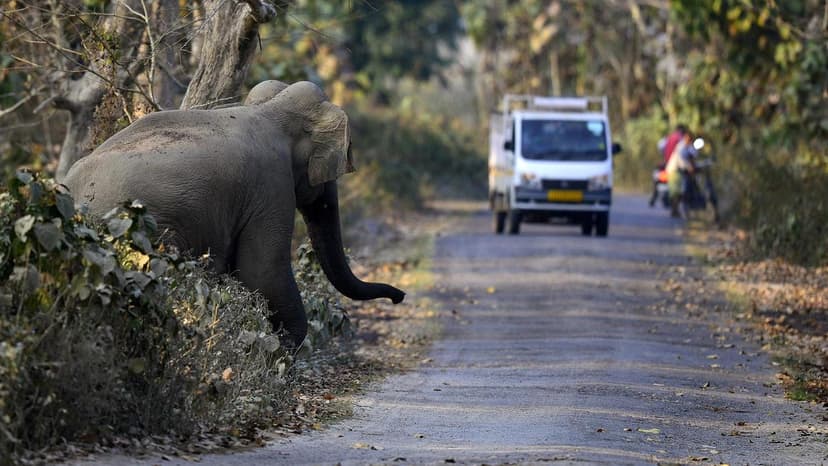
Forests and tree cover, accounting for 25.17% of India's geographical area, are fundamental to its ecological security and rural economies. These natural assets are crucial for sustaining millions of livelihoods, supporting agriculture, and providing renewable resources that can drive a new bioeconomy. As India pursues climate-resilient development, forests are emerging as key pillars.
Globally, forests support over 1.6 billion people, with India's forest-dependent communities relying on products like timber, bamboo, and medicinal plants. India's abundant bamboo resources are increasingly fueling industries and offering sustainable alternatives. Forests also provide essential ecosystem services, maintaining water supplies, improving soil fertility, and supporting biodiversity critical for agriculture and food security.
Agroforestry, integrating trees with crops and livestock, is highlighted as an effective strategy for strengthening forest-based economies. It enhances soil health, biodiversity, and farmer incomes, offering a vital safety net. The FAO is actively promoting agroforestry models, particularly for small farmers and vulnerable communities, to improve livelihoods and adapt to climate change impacts.
Investing in forests is presented as an investment in climate resilience, rural livelihoods, and sustainable growth. Expanding agroforestry and promoting circular biomass systems can unlock new opportunities for green industries and resilient rural economies in India. Protecting forests is thus an environmental imperative and an economic investment for a prosperous future.