

Home / Environment / Climate Change Fuels India's Health Crisis
Climate Change Fuels India's Health Crisis
6 Apr
Summary
- Nearly 40% of India's districts face high risk from extreme weather.
- Climate change alters disease spread, introducing vector-borne illnesses to new areas.
- Vulnerable communities bear the unequal burden of climate-related health issues.
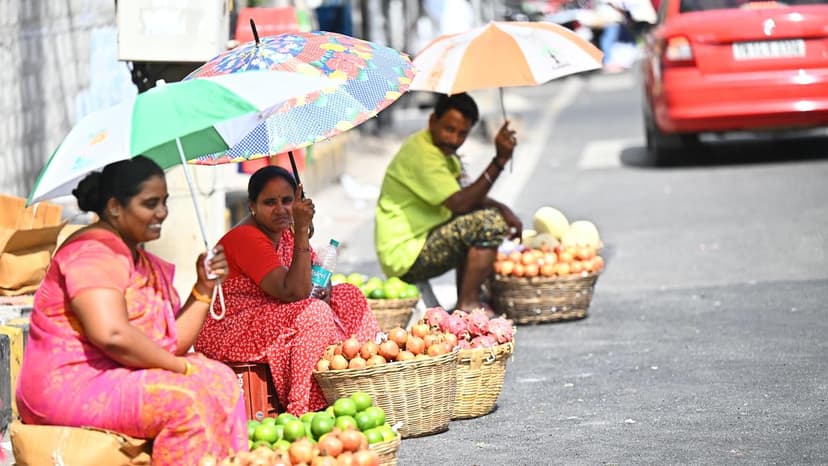
Climate change is emerging as a critical public health threat across India, significantly altering disease patterns and straining healthcare systems. A recent report indicates that almost 40% of the nation's districts are at high risk from extreme weather events like floods and heatwaves.
These events are not isolated occurrences but a continuous cycle affecting health. Floods contribute to water-borne diseases, while heatwaves cause dehydration and cardiovascular stress. Warmer temperatures and changing rainfall are expanding the reach of diseases such as dengue and malaria into new territories, including previously unaffected hilly regions.
The health impacts are unevenly distributed, with rural populations, informal workers, women, and children facing the greatest risks due to limited coping capacities. Heat exposure alone cost India an estimated 160 billion labor hours in 2021, while extreme heat increases the risk of preterm birth and air pollution impacts pregnancy and infant health.
Despite these challenges, India is making strides in addressing the climate-health nexus through national and state action plans, alongside innovative solutions from NGOs. However, significant hurdles remain, including a lack of localized data, insufficient adaptation funding, and weak public awareness, necessitating stronger collaboration and increased investment in climate-resilient healthcare infrastructure.
