Home / Environment / Beyond Connections: India's Clean Cooking Challenges
Beyond Connections: India's Clean Cooking Challenges
8 Sep
Summary
- Affordability threshold ₹400 far below actual PMUY cylinder price.
- Migrant workers pay over 20% more for LPG than formal users.
- Clean cooking policy must focus on usage, not just connections.
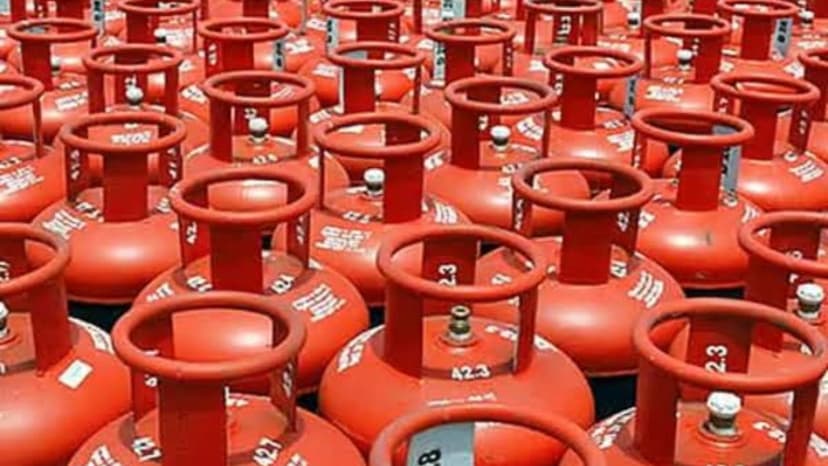
New research indicates that India's push for clean cooking, primarily through the Pradhan Mantri Ujjwala Yojana (PMUY), requires a significant policy shift beyond simply increasing LPG connection numbers. Studies surveying rural households, informal urban settlements, and migrant workers found that the ₹400 affordability threshold is substantially lower than the effective subsidized price of ₹642 for a PMUY cylinder. The median household's willingness to pay was found to be around ₹500.
Migrant workers face particular disadvantages, often paying over 20% more per kilogram of LPG compared to those with formal connections. Their living conditions also correlate with fuel choice; those in open spaces heavily relied on polluting solid fuels. In urban informal settlements, a lack of documentation prevents many from obtaining formal connections, leading some to purchase cylinders unofficially at inflated prices.
Rural areas, while seeing higher LPG usage, struggle with exclusive adoption. Many households still rely on firewood, and doorstep delivery of cylinders is not consistently available. CEEW recommends increasing the PMUY subsidy by approximately ₹200 per cylinder to bridge the affordability gap. Additionally, targeted migrant enrollment drives and incentives for distributors serving remote rural customers are suggested to ensure reliable access and sustained usage of clean cooking fuels.


