

Home / Environment / Cow Dung Fuels Rural India's Green Revolution
Cow Dung Fuels Rural India's Green Revolution
6 Apr
Summary
- Banas bio-CNG plant model adopted by 15 states.
- Plants convert organic waste into clean fuel and fertilizer.
- Model generates over ₹3 lakh daily revenue, reduces CO2e emissions.
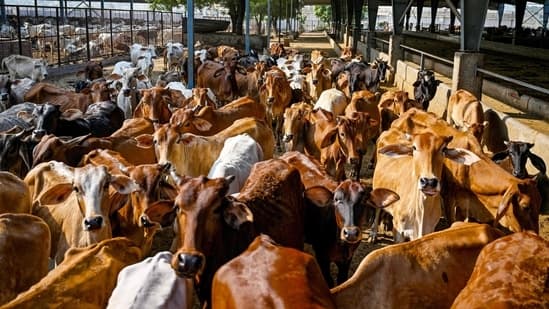
A pioneering bio-CNG plant model developed by Banas Dairy in Banaskantha is now being adopted by approximately 15 states nationwide. This initiative, supported by Union Ministries, focuses on converting organic waste, particularly cow dung, into clean fuel and organic fertilizer.
The Banas bio-CNG plant has been successfully operational for six years, processing 40 metric tonnes of dung daily. Inspired by this success, five more large bio-CNG plants are being established in Banaskantha, each designed to process 100 metric tonnes of dung daily.
These plants, costing ₹50-55 crore each, utilize modern technology to align ecological conservation with economic growth. They provide additional income to 400-450 animal husbandry farmers by paying Re 1 per kilogram of collected dung.
The operational model generates substantial revenue from compressed biogas (approximately 1,800 kg daily at ₹75/kg), solid organic fertilizer (25 MT daily at ₹6/kg), and liquid organic fertilizer (75 MT daily at ₹0.50/kg). This diversified revenue stream yields over ₹3 lakh daily, potentially reaching ₹12 crore annually.
This initiative significantly contributes to environmental sustainability by reducing approximately 6,750 tonnes of CO2e greenhouse gas emissions annually. It exemplifies how rural economies can be transformed through sustainable waste management and renewable energy production.
