

Home / Environment / Dudwa's Big Cat Boom Creates Release Dilemma
Dudwa's Big Cat Boom Creates Release Dilemma
3 Apr
Summary
- Dudhwa Reserve capacity exceeded by growing tiger and leopard populations.
- Rescued big cats lack suitable spaces for release across India.
- New rescue centers are set to open, offering future relief.
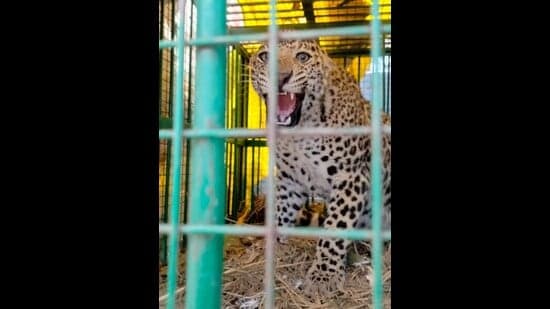
Dudhwa Tiger Reserve (DTR) is grappling with a significant challenge: finding release sites for rescued big cats due to exceeding its capacity. Field Director H Rajamohan highlighted that DTR's current big cat population, numbering 135 tigers as of the 2022 estimation, combined with rescued animals, strains available space. Similar capacity issues plague other reserves and zoos across the state, leaving few options for rehabilitation.
The increasing density of tigers and leopards is the core problem. Tiger numbers in DTR have risen to 135 from 82 in 2018, while leopards have reached 51 in 2025 from 21 in 2022. This population boom necessitates the release of healthy predators into appropriate core zones, but these areas are already densely populated.
To address this, four new rescue centers at Pilibhit, Ranipur, Meerut, and Najibabad are being established under the national CAMPA scheme, expected to ease the rehabilitation burden soon. Additionally, state zoo authorities are advised to enhance their capacity, potentially accommodating around 2,000 leopards nationally.
Experts suggest developing new rehabilitation areas like Ranipur and Sohelwa. However, this requires prior attention to habitat and prey base management, alongside staff training. Temporary solutions are currently being utilized, but a long-term strategy for managing the growing big cat population and ensuring their safe release remains a critical concern.
