Home / Environment / India's PM2.5 Limits Far Exceed WHO Standards
India's PM2.5 Limits Far Exceed WHO Standards
12 Dec
Summary
- India's 24-hour PM2.5 exposure limit is 60µg/m³, four times WHO's 15µg/m³.
- The WHO has lowered acceptable air pollution thresholds significantly since 2021.
- Air quality in Delhi-NCR has shown improvement with increased 'good air' days.

India's current National Ambient Air Quality Standards, established in 2009, permit a 24-hour PM2.5 exposure limit of 60µg/m³, a level four times higher than the World Health Organization's (WHO) updated recommendation of 15µg/m³. The WHO significantly lowered its global air quality thresholds in 2021, also reducing limits for PM10 particles.
While the WHO's guidelines are globally recommended, countries, including India, set their own standards considering geographic, environmental, and socio-economic factors. In contrast to India's higher limits, the WHO now advises a yearly PM2.5 exposure below 5µg/m³ and PM10 below 15µg/m³.
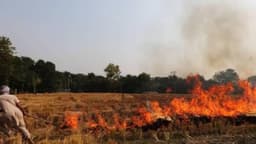
Despite these disparities, recent efforts have shown progress in specific regions. Air quality in Delhi-NCR has progressively improved, with an increase in days having an Air Quality Index below 200. Additionally, states like Punjab and Haryana reported a substantial reduction in fire incidences during the paddy harvesting season in 2025.