feedzop-word-mark-logo
searchLogin
Feedzop
homeFor YouIndiaIndia
You
bookmarksYour BookmarkshashtagYour Topics
Trending
trending

Salesforce lays off 1000

trending

India US trade tariffs slashed

trending

Margot Robbie's Wuthering Heights panned

trending

CBSE board exams: key details

trending

Jana Nayagan movie court case

trending

Dhakshineswar Suresh Davis Cup hero

trending

Deepika Padukone wears Gaurav Gupta

trending

NZ vs UAE match prediction

trending

iPhone 17 Croma Valentine's sale

Terms of UsePrivacy PolicyAboutJobsPartner With Us

© 2026 Advergame Technologies Pvt. Ltd. ("ATPL"). Gamezop ® & Quizzop ® are registered trademarks of ATPL.

Gamezop is a plug-and-play gaming platform that any app or website can integrate to bring casual gaming for its users. Gamezop also operates Quizzop, a quizzing platform, that digital products can add as a trivia section.

Over 5,000 products from more than 70 countries have integrated Gamezop and Quizzop. These include Amazon, Samsung Internet, Snap, Tata Play, AccuWeather, Paytm, Gulf News, and Branch.

Games and trivia increase user engagement significantly within all kinds of apps and websites, besides opening a new stream of advertising revenue. Gamezop and Quizzop take 30 minutes to integrate and can be used for free: both by the products integrating them and end users

Increase ad revenue and engagement on your app / website with games, quizzes, astrology, and cricket content. Visit: business.gamezop.com

Property Code: 5571

Home / Environment / Air Quality Crisis: Industry's Dirty Secret Revealed

Air Quality Crisis: Industry's Dirty Secret Revealed

11 Feb

•

Summary

  • PM2.5 pollution stems from industrial gases, not just dust.
  • India's emission standards lag significantly behind China's.
  • Agricultural subsidies contribute to smog formation.
Air Quality Crisis: Industry's Dirty Secret Revealed

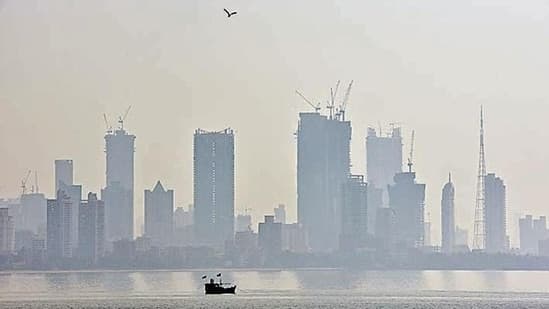
The persistent winter air quality issues in Indian cities are primarily driven by industrial precursor gases, such as sulfur dioxide and nitrogen dioxide, which react with ammonia from agriculture to form the dangerous PM2.5 particles. This chemical smog, rather than just construction dust or farm stubble, constitutes the core of the pollution problem. Atmospheric conditions in winter compress these pollutants, making them more accessible to lungs.

India's regulatory approach to emissions, particularly sulfur dioxide, has lagged significantly behind countries like China. While China implemented stringent Ultra-Low Emission (ULE) standards by 2015, India's Flue Gas Desulfurisation (FGD) norms, notified in 2015, have faced repeated delays, with the latest compliance deadline set for December 2027. Furthermore, India's current emission targets are considerably higher than China's ULE standards.

The market's lack of investment in pollution control technologies like FGD systems indicates a deeper policy challenge and suggests that the necessary infrastructure for air purification may not be readily available for years. This industrial failure is compounded by agricultural policies that heavily subsidize the overuse of urea, leading to ammonia volatilization and contributing to smog formation.

The current situation highlights a growing disparity, where those with financial means can mitigate air quality impacts through purifiers, while others are left exposed. This privatization of safety represents a failure in public health responsibility. Adopting China's ULE guidelines, supported by green financing and updated tariffs for energy and transportation sectors, is presented as a viable economic and ecological path forward.

Disclaimer: This story has been auto-aggregated and auto-summarised by a computer program. This story has not been edited or created by the Feedzop team.
India's air quality crisis is primarily caused by industrial precursor gases like sulfur dioxide and nitrogen dioxide, which react with ammonia from agriculture to form PM2.5 particles, rather than just construction dust or farm stubble.
India's emission standards, particularly for sulfur dioxide and flue gas desulfurisation, are significantly less ambitious and have faced repeated delays compared to China's stringent Ultra-Low Emission (ULE) standards implemented by 2015.
Agricultural policies that heavily subsidize the overuse of urea lead to ammonia volatilization, which acts as a key component in forming deadly PM2.5 particles when combined with industrial gases.

Read more news on

Indiaside-arrowEnvironmentside-arrowChinaside-arrow

You may also like

Guwahati Chokes on Sulfur Dioxide Surge

1 day ago • 13 reads

article image

Breathe Easy? Deadly Air Pollutants Exceed Guidelines Worldwide

27 Jan • 96 reads

article image

Kolkata's Air: Toxic Gases Now Trump PM Pollution

19 Jan • 128 reads

article image

Gas Stoves Pollute Homes: Study Reveals Shocking NO2 Levels

7 Jan • 154 reads

article image

India's Hidden Air Threat: SO2 Fuels PM2.5

24 Dec, 2025 • 242 reads

article image