Home / Environment / India's Air Crisis: Reactive Measures Fail
India's Air Crisis: Reactive Measures Fail
12 Jan
Summary
- India's annual AQI in Delhi exceeds national and WHO targets.
- Winter conditions and geography worsen Delhi's air pollution.
- China and London offer lessons in long-term air pollution control.
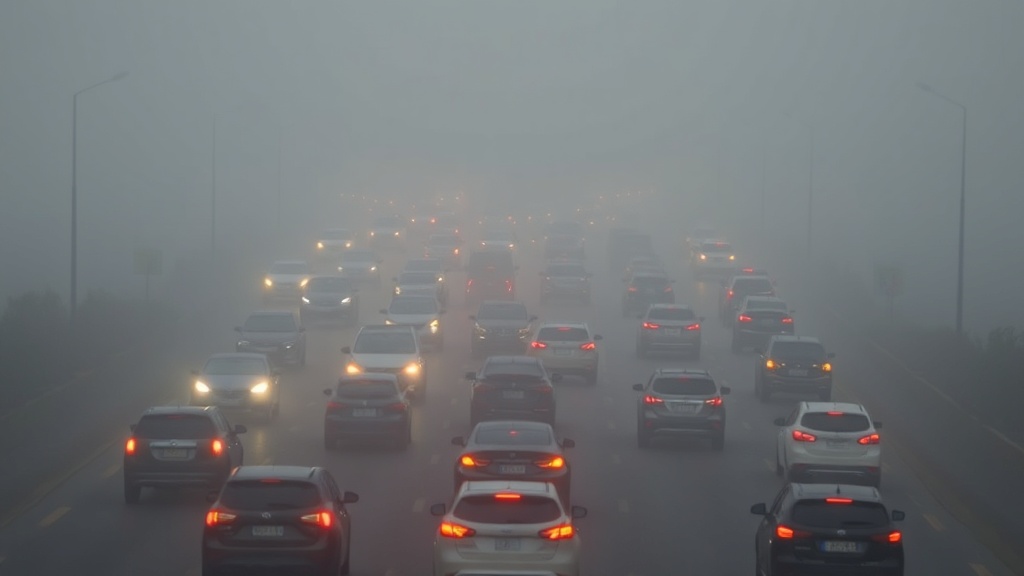
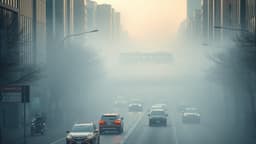
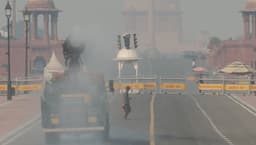
Air pollution remains a critical issue in India, with Delhi-NCR consistently recording some of the world's worst AQI levels. Annual averages in Delhi between 2015 and November 2025 have been 235, significantly surpassing national and WHO guidelines. This deterioration is driven by a mix of factors including stubble burning, industrial emissions, vehicular pollution, and biomass burning, which intensify during winter due to temperature inversions.
Despite a legal framework for pollution control, India's approach has largely been reactive, marked by emergency measures rather than long-term structural reforms. Initiatives like the Revised Graded Response Action Plan (GRAP) and stricter emission checks are implemented when pollution peaks. However, international examples from Beijing and London highlight the success of systemic governance failures, stringent emission standards, clean energy promotion, and comprehensive regulatory interventions.