Home / Environment / Cobra's Hood: A Warning, Not an Attack
Cobra's Hood: A Warning, Not an Attack
2 Sep
Summary
- The Indian cobra spreads its hood as a defensive warning when feeling threatened.
- A cobra's hood is formed by expanding neck ribs and stretching loose skin.
- The hooded display makes the snake appear larger to deter potential threats.
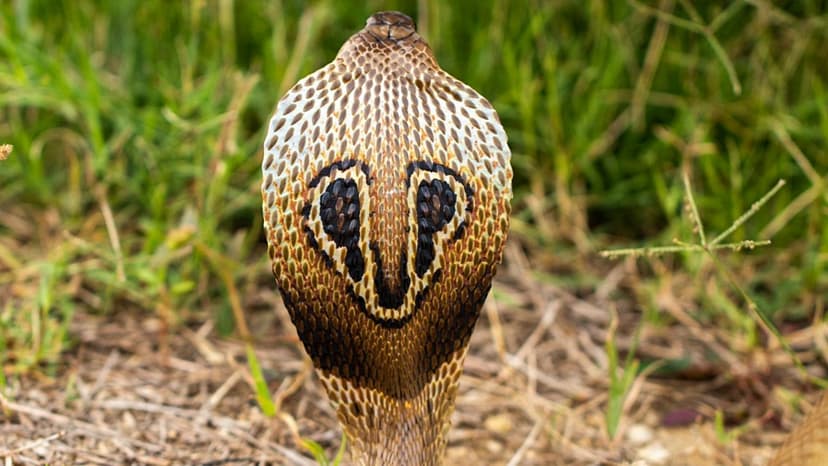
The distinctive hood of the Indian cobra serves as a critical warning signal. When sensing a threat, the snake engages in a dramatic display by expanding specialized neck ribs and its loose skin, creating an imposing visual to deter perceived dangers. This defensive maneuver makes the cobra appear much larger and more intimidating.
This hooding behavior is not an immediate precursor to an attack. Instead, it's part of a broader set of defensive actions that may include hissing or swaying. If the threat persists, however, the cobra might escalate to striking. Understanding this behavior is key to safe encounters.
Experts explain that the hood's shape is determined by underlying bone structure, while the erection and relaxation dynamics are tied to the snake's behavioral context. Ultimately, a cobra displaying its hood is communicating a need for space, urging potential threats to retreat. Respecting this warning and moving away is the safest approach.


