Home / Environment / India's Reservoirs at Crisis Point: 26% Capacity!
India's Reservoirs at Crisis Point: 26% Capacity!
6 Jul
Summary
- Major reservoirs hold only 26% of live capacity, a critical low.
- Thirteen states face water shortages, some severely below norms.
- Drought affects 41% of India as monsoon rainfall remains uneven.
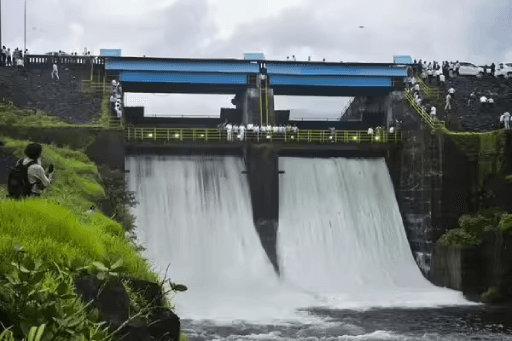
India's critical water reservoirs now hold a mere 26% of their live capacity, a stark reality for millions facing a routine of water scarcity. As of July 2, the nation's 166 major reservoirs contained just over 47.7 billion cubic meters, significantly impacting water availability.
Thirteen states are currently experiencing water levels below their 10-year norms, with West Bengal and Mizoram facing deficits of 62% and 54% respectively. These shortfalls have necessitated rationing measures even before the peak summer heat. While monsoons have brought some relief with heavy rains and flooding in certain regions, their uneven geographical distribution has left many crucial catchment areas parched.
By July 2, the India Drought Monitor reported that approximately 41% of the country was affected by drought. The Union Agriculture Ministry has prepared contingency plans for 12 severely impacted states, underscoring the severity of the crisis.
Major cities like Delhi, Mumbai, Bengaluru, and Kolkata are all contending with unique water challenges. Delhi struggles with supply not keeping pace with its rapidly growing population, facing limitations from interstate water-sharing agreements and delayed infrastructure projects. Mumbai battles significant water loss due to leaks and illegal connections, alongside an ever-widening demand-supply gap.
Bengaluru confronts geographical limitations, relying heavily on water pumped uphill from distant sources, exacerbated by erratic rainfall and groundwater depletion. Kolkata, while having the Hooghly river, is hampered by an aging treatment system and uneven distribution of the water that is supplied. Across these urban centers, rapid urbanization and inadequate infrastructure strain resources, highlighting a nationwide need for integrated water management solutions.


