


Home / Environment / India's Soil Poisoned: Lead Levels Soar Near Homes
India's Soil Poisoned: Lead Levels Soar Near Homes
9 Apr
Summary
- Lead levels in soil near battery recycling sites exceed safe limits.
- Concentrations reach up to 43,800 ppm, far above hazardous thresholds.
- Exposure poses risks including cognitive deficits and neurological damage.
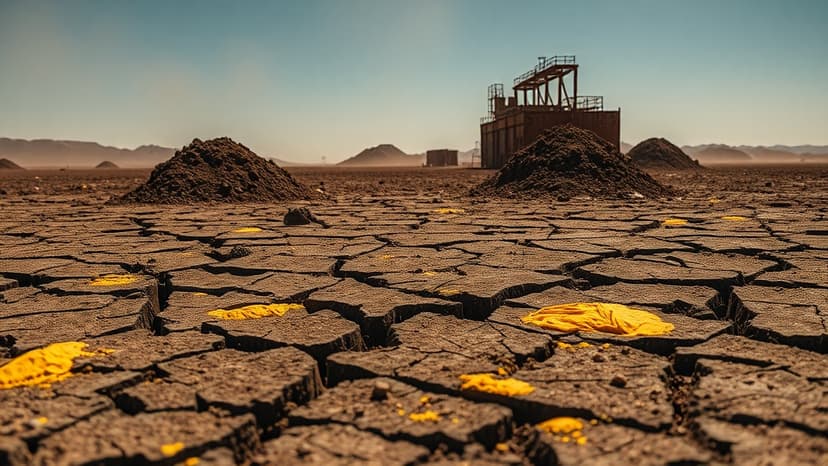
Lead contamination in soil has reached alarming levels in four Indian states, including the Delhi-NCR region. A study by Toxics Link revealed soil lead concentrations soaring to 43,800 parts per million (ppm) near battery recycling units, significantly surpassing India's Central Pollution Control Board's hazardous threshold of 5,000 ppm. These findings stem from samples collected near residential areas, schools, and playgrounds, indicating widespread exposure risks.
The report, "Soiled with Lead: from Battery Recycling," also points to inadequate enforcement of India's Battery Waste Management Rules, 2022. This contamination poses a serious health threat, as lead can enter the body through inhalation, ingestion of contaminated food, or take-home exposure. Children are particularly vulnerable, facing risks of cognitive deficits and developmental issues.
Neurologists warn that lead exposure can cause permanent brain damage, impacting learning and behavior in children and leading to neurological issues in adults. The contamination pathway includes dust particles from the soil becoming airborne, food grown in contaminated soil, and contact from individuals working near recycling units.
Preventative measures include testing soil, environmental remediation, regular screening of children in high-risk zones, and community awareness. Experts emphasize that lead poisoning is preventable through proactive testing and improved environmental standards. The situation necessitates government and agency action, including mapping contaminated sites, enforcing regulations, and public disclosure of data to mitigate this silent public health emergency.
