Home / Environment / India's Bamboo Crisis: Rat Swarms Devastate Crops
India's Bamboo Crisis: Rat Swarms Devastate Crops
11 Jul
Summary
- Bamboo flowering cycles cause massive rodent population booms.
- Rodents destroy farms, leading to widespread crop and food shortages.
- Ecological shifts due to bamboo die-off increase erosion risks.
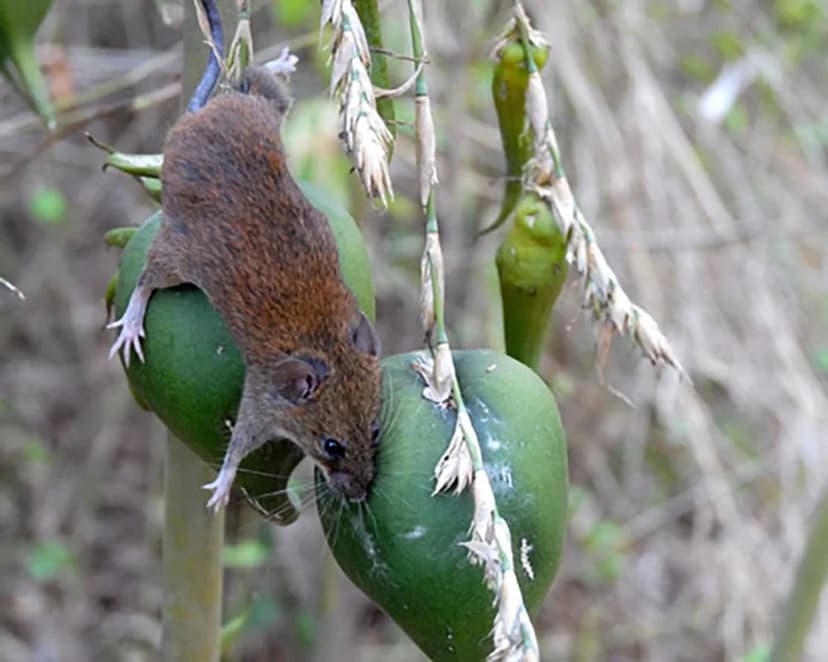
In the hills of Mizoram, north-east India, farmers are grappling with a severe crisis triggered by the natural mass flowering of bamboo species. This phenomenon, occurring roughly every 48 to 50 years, produces abundant bamboo seeds that fuel a rapid increase in rodent populations.
As the bamboo seeds are depleted, millions of rodents, including rats, spread into nearby farmlands, causing extensive damage to crops like rice, maize, and ginger. Farmers are reporting catastrophic harvest losses, with yields drastically reduced, threatening food security and daily livelihoods across the region.
Beyond agriculture, scientists warn of broader ecological consequences. The natural death of large bamboo stands after flowering leaves hillsides vulnerable to soil erosion and slope instability, especially during the monsoon. This ecosystem shift impacts wildlife dependent on bamboo habitats and could hinder forest regeneration.
Local authorities have initiated rodent control operations using chemicals, but some residents express concerns about water contamination. Communities are also employing traditional methods like bamboo traps. Historically, similar outbreaks, such as the 1958-60 famine, have had significant social and political repercussions. Experts advocate for long-term preparedness, including better monitoring and storage, rather than reactive emergency responses.


