Home / Environment / Hot Drinks Unleash Microplastic Flood!
Hot Drinks Unleash Microplastic Flood!
19 Jan
Summary
- Hot food and drinks significantly increase microplastic release.
- Tens of thousands more microplastics are released from hot coffee.
- Ingesting microplastics may pose serious health risks.
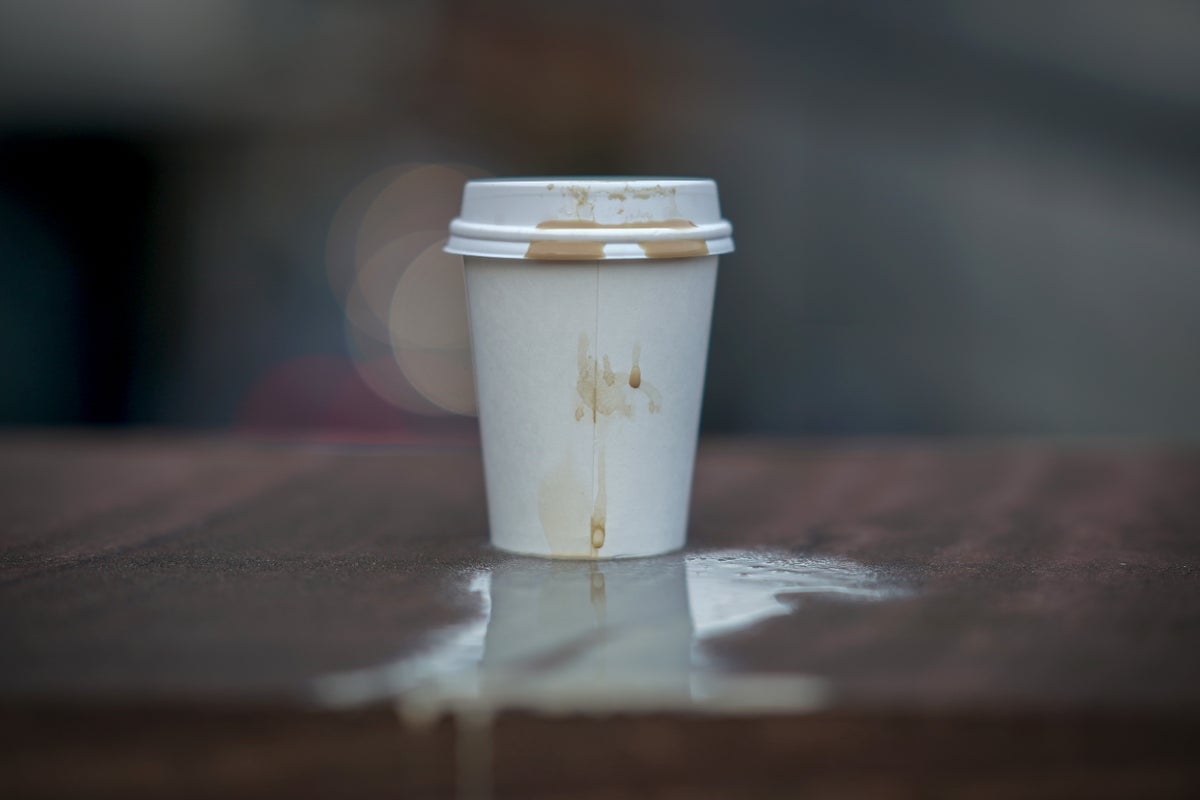
A recent review of studies indicates that hot food and beverages dramatically increase the release of microplastics from plastic containers. When liquids like coffee are heated in plastic cups, they can shed tens of thousands more microplastic particles compared to cold beverages. This finding is crucial as a growing body of research links the daily ingestion of these tiny particles to potential health risks.
The research assessed numerous published studies and an experimental case study, revealing a consistent trend: microplastic particle release from materials like polyethylene (PE) and polypropylene (PP) significantly escalates with rising temperatures. Depending on the material, hot food can release hundreds to over eight million particles per liter, with heat identified as a primary driver of this shedding. One study found a 32.7% increase in microplastic release from PE cups when the temperature rose from 5°C to 60°C.
This contamination stems from the widespread use of single-use plastic cups and containers, with estimates suggesting up to 500 billion are used globally each year. The findings offer practical advice for consumers seeking to minimize their exposure and may inform future regulatory efforts for safer packaging. Researchers emphasize that understanding the role of temperature and material type is key to mitigating microplastic ingestion.