Home / Environment / Crab Blood Crucial for Medicine, But At What Cost?
Crab Blood Crucial for Medicine, But At What Cost?
10 Feb
Summary
- Horseshoe crab blood is vital for testing drug and device safety.
- Massachusetts proposes increasing annual crab harvests for biomedical use.
- Synthetic alternatives are gaining traction but face adoption hurdles.
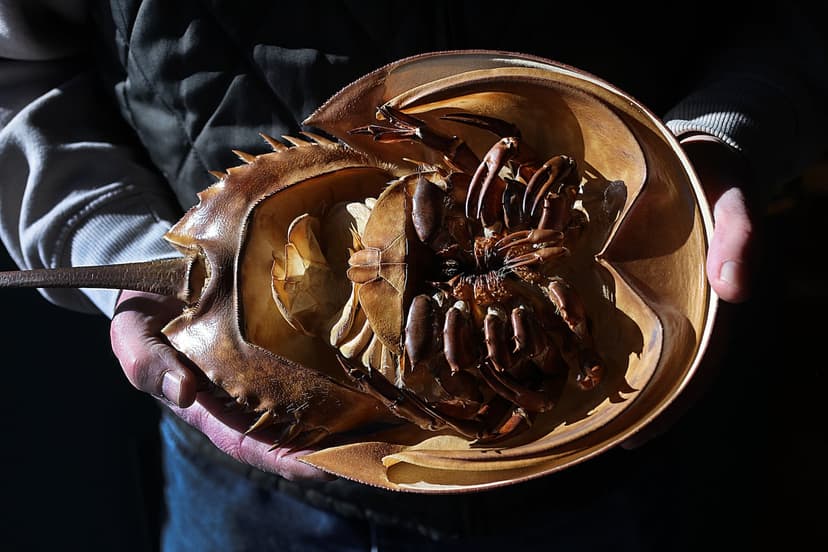
Horseshoe crabs play a critical role in ensuring medical safety, with their blood used to produce Limulus Amebocyte Lysate (LAL), a substance vital for testing pharmaceuticals and implanted devices. Despite this crucial function, the annual harvesting of hundreds of thousands of these crabs is a growing concern for conservationists.
Massachusetts, home to major bleeding facilities, is currently proposing to increase the annual number of horseshoe crabs harvested for biomedical purposes from 200,000 to 280,000. This proposal has sparked debate, with advocates arguing that horseshoe crab populations are declining and are vital to coastal ecosystems.
While some drugmakers are transitioning to synthetic alternatives, the process is slow due to the cost and regulatory challenges of re-validating approved products. New York has already moved to phase out horseshoe crab harvesting entirely by 2029, signaling a broader shift towards synthetics along the Eastern Seaboard.