Home / Environment / Himalayan Glaciers Melting at Alarming Rate
Himalayan Glaciers Melting at Alarming Rate
27 Aug
Summary
- Hindu Kush glaciers are melting unprecedentedly fast.
- Melting glaciers threaten billions with floods and food shortages.
- Up to 80% of Himalayan ice could vanish by 2100.
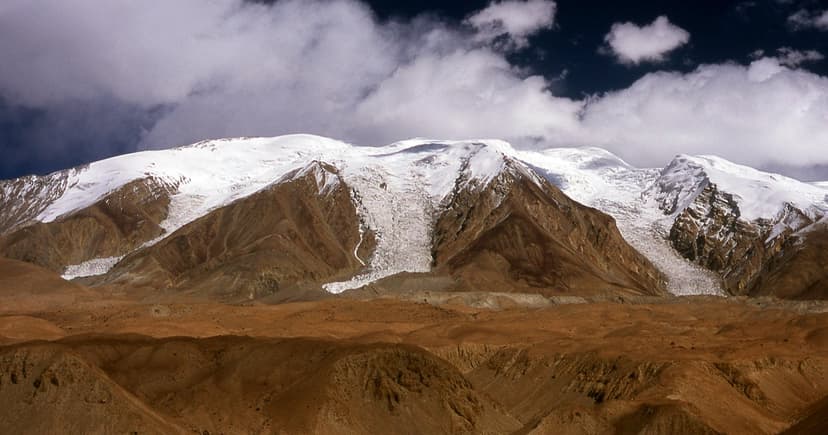
Glaciers in the Hindu Kush Himalayas are melting at an "unprecedented" rate, with environmental changes largely irreversible. This alarming trend could lead to an 80% loss of ice by 2100 if global warming continues unchecked. The Hindu Kush Himalayan region spans from Afghanistan to Myanmar and is the source of water for 12 rivers, supplying 240 million people in the region and 1.65 billion downstream.
The rapid melt poses a severe threat, potentially causing floods, landslides, avalanches, and widespread food shortages. Scientists project that a 4-degree Celsius rise in global temperature could result in an 80% loss of ice. The rate of ice loss between 2010 and 2019 was 65% faster than in the previous decade, a rate described as "alarming."
This crisis demands urgent global action. Scientists call for drastic reductions in greenhouse gas emissions to slow global warming and preserve remaining ice. Limiting warming to 1.5 degrees Celsius, as recommended by the UN's IPCC, requires global emissions to peak before 2025 and be reduced by 43% by 2030, targets the world is currently not on track to meet.
Even if distant, the impacts of melting Himalayan glaciers will be felt globally. This includes potential sea-level rise and dramatic changes in ocean circulation, affecting everyone. The displacement of up to 2 billion people losing their livelihoods necessitates planning for mass migration and offering safer living spaces.


