Home / Environment / Himalayan Glaciers Melting: India Faces Flood Threat
Himalayan Glaciers Melting: India Faces Flood Threat
14 Sep
Summary
- Glaciers have shrunk by 24%, with southern Himalayas losing 40% ice area.
- Over 14,000 glacial lakes are expanding annually due to rapid melt.
- India's northern states face debris flow threats from cross-border rivers.
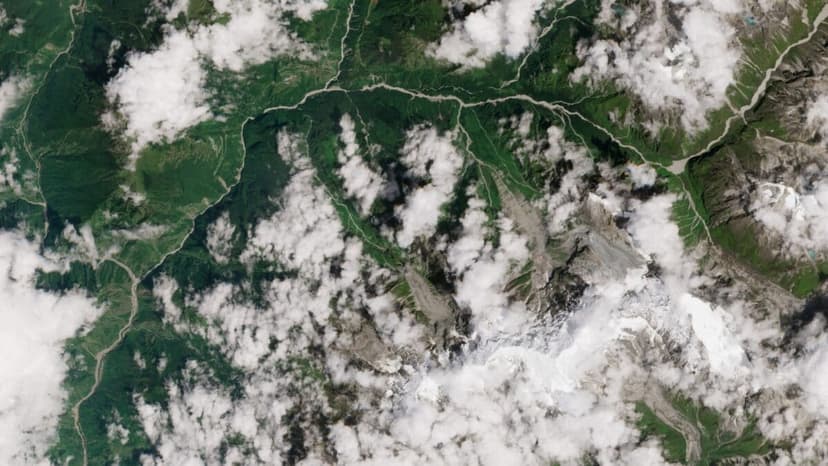
The Himalayan mountain range is facing an accelerating environmental crisis due to climate-driven ice melt. Glaciers across the Qinghai-Tibet Plateau have shrunk by 24% over the past six decades, with a significant 40% reduction in southern Himalayan ice area. This rapid melt is fueling the expansion of over 14,000 high-altitude glacial lakes, holding billions of cubic meters of water.
Recent research indicates that the disaster zone is shifting towards India's northern river basins, following the catastrophic August 2026 Nepal-Tibet border floods. India's northern states, including Uttarakhand, Himachal Pradesh, Sikkim, and Arunachal Pradesh, are directly in the path of potential future debris flows from cross-border rivers. Critical infrastructure, including hydroelectric plants and highways, face direct exposure.
The region suffers from severe monitoring blind spots, as highlighted by the recent tragedy. While advanced satellite systems exist, there is no integrated, real-time early-warning network capable of transmitting alerts across international borders. Experts urge India and its neighbors to establish unified warning systems and implement climate-resilient engineering standards to prevent future losses.


