Home / Environment / Glacial Lakes Expand: India Faces Rising Flood Risk
Glacial Lakes Expand: India Faces Rising Flood Risk
1 Sep
Summary
- Himalayan glacial lakes are expanding due to climate change.
- A GLOF event can trigger devastating flash floods and debris flows.
- India is enhancing monitoring but faces challenges in preparedness.
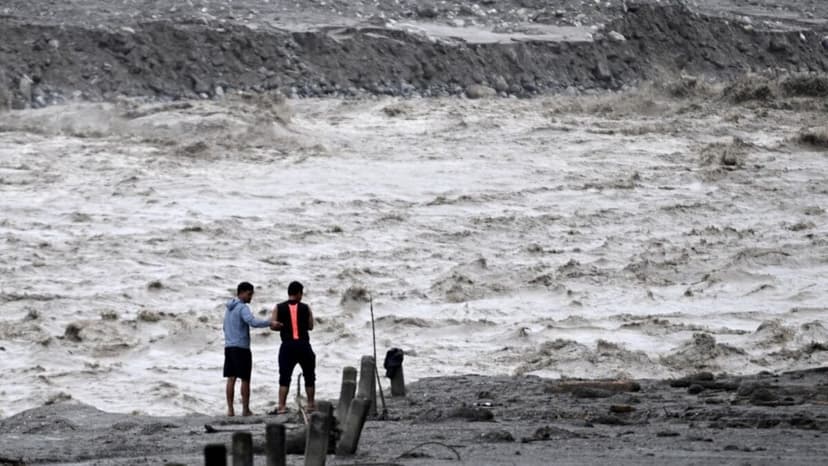
Glacial lakes in the Himalayas are expanding significantly as a result of climate change and warming temperatures. These bodies of water form behind natural dams created by glaciers and debris. When these dams fail, they can trigger a glacial lake outburst flood (GLOF), a rapid release of water and debris that causes immense destruction downstream.
Recent events in Nepal and the Chamoli disaster in Uttarakhand in February 2021 highlight the destructive potential of such events. Scientists differentiate these from conventional GLOFs, noting that they can be part of a complex chain of hazards initiated by ice-rock avalanches. India has thousands of vulnerable glacial lakes, with regions like Kashmir, Ladakh, and Uttarakhand particularly at risk.
Researchers are using satellite imagery to track the expansion of these lakes, with some showing dramatic growth over the past two decades. While monitoring has improved, connecting scientific data to effective ground-level warning systems and evacuation plans is crucial for India's preparedness. Development in hazard zones further exacerbates the risk, as infrastructure and communities are increasingly exposed to potential flood paths.


