feedzop-word-mark-logo
searchLogin
Feedzop
homeFor YouIndiaIndia
You
bookmarksYour BookmarkshashtagYour Topics
Trending
Terms of UsePrivacy PolicyAboutJobsPartner With Us

© 2026 Advergame Technologies Pvt. Ltd. ("ATPL"). Gamezop ® & Quizzop ® are registered trademarks of ATPL.

Gamezop is a plug-and-play gaming platform that any app or website can integrate to bring casual gaming for its users. Gamezop also operates Quizzop, a quizzing platform, that digital products can add as a trivia section.

Over 5,000 products from more than 70 countries have integrated Gamezop and Quizzop. These include Amazon, Samsung Internet, Snap, Tata Play, AccuWeather, Paytm, Gulf News, and Branch.

Games and trivia increase user engagement significantly within all kinds of apps and websites, besides opening a new stream of advertising revenue. Gamezop and Quizzop take 30 minutes to integrate and can be used for free: both by the products integrating them and end users

Increase ad revenue and engagement on your app / website with games, quizzes, astrology, and cricket content. Visit: business.gamezop.com

Property Code: 5571

Home / Environment / Himachal Forests Critically Endangered, Study Warns

Himachal Forests Critically Endangered, Study Warns

23 Jan

•

Summary

  • Forests in three Himachal districts face critical ecological decline.
  • Historical fires severely weakened trees, making them vulnerable to pests.
  • Cow-dung seed curing and soil aeration recommended for forest revival.
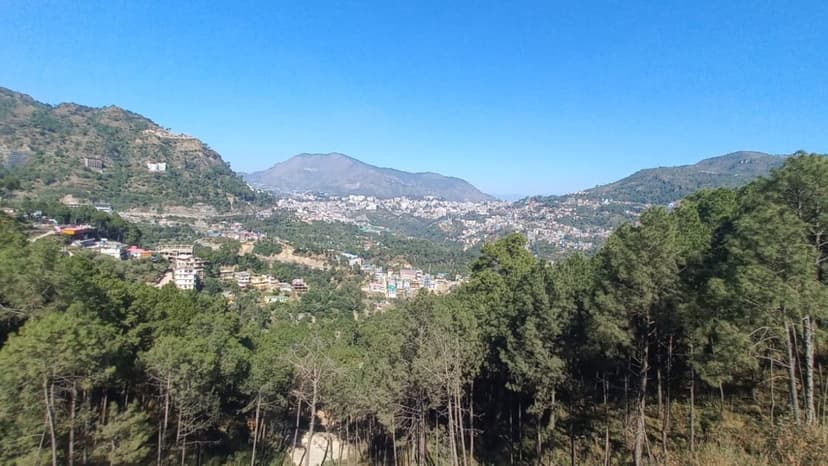
Himachal Forests Critically Endangered, Study Warns

Forest ecosystems in Himachal Pradesh's Sirmaur, Shimla, and Solan districts are facing critical ecological decline. A study by experts from Dr Y S Parmar University of Horticulture and Forestry revealed that historical forest fires, some dating back 40 years, have severely weakened both Ban Oak and pine trees. These weakened trees have become highly vulnerable to insect infestations and fungal pathogens, accelerating their mortality.

The research, commissioned after alarming reports of dying trees, pinpointed sub-surface fire damage to root systems and bark-feeding insects as major issues. Invasive weeds like Eupatorium further exacerbate the problem by inhibiting regeneration and increasing fire fuel. The study concludes that natural recovery is no longer possible without intervention.

To revive these vital forests, experts recommend a dual approach. For oak regeneration, cow-dung seed curing is advised, while soil aeration is suggested for pine plantations. The introduction of native, fire-resilient grasses will help stabilize soil and suppress invasive species. Additionally, removing heavily infested trees and eradicating invasive weeds are crucial steps for restoration.


trending

SEC probes Adani Group leaders

trending

Adani stocks shed value

trending

Dehradun road safety campaign

trending

Clash near Ujjain, India

trending

Apple developing AI pin wearable

trending

CTET exam city slip soon

trending

Suryakumar Yadav stars, India wins

trending

South Africa T20 squad changes

trending

UPW vs GG live

Disclaimer: This story has been auto-aggregated and auto-summarised by a computer program. This story has not been edited or created by the Feedzop team.
Himachal's forests are in critical decline due to historical forest fires, insect infestations, fungal diseases, and human pressures.
The study recommends cow-dung seed curing for oak regeneration and soil aeration for pine plantations, along with introducing native grasses and removing invasive weeds.
The forest decline is critically affecting Sirmaur, Shimla, and Solan districts in Himachal Pradesh.

Read more news on

Environmentside-arrow

You may also like

Himalayan Trees Fall for Roads, Disaster Risk Rises

14 hours ago • 7 reads

article image

Endangered Heron Ignored in Major Hydel Project Report

4 Jan • 95 reads

article image

Arunachal Pradesh Unlocks Graphite and Vanadium Potential

3 Jan • 85 reads

article image

India Bans New Mining in Ancient Range

24 Dec, 2025 • 136 reads

article image

Shrimp Mystery Solved: Lost Species Found After 72 Years!

29 Nov, 2025 • 244 reads

article image