Home / Environment / Hawaii's Reefs Fight Invasive Anemone Invasion
Hawaii's Reefs Fight Invasive Anemone Invasion
16 Aug
Summary
- Invasive anemones spread from two to over 11,900 sq ft since 2020.
- Hawaii uses chlorine-soaked tarps to eradicate invasive anemones.
- Aquarium releases are suspected as the source of the infestation.
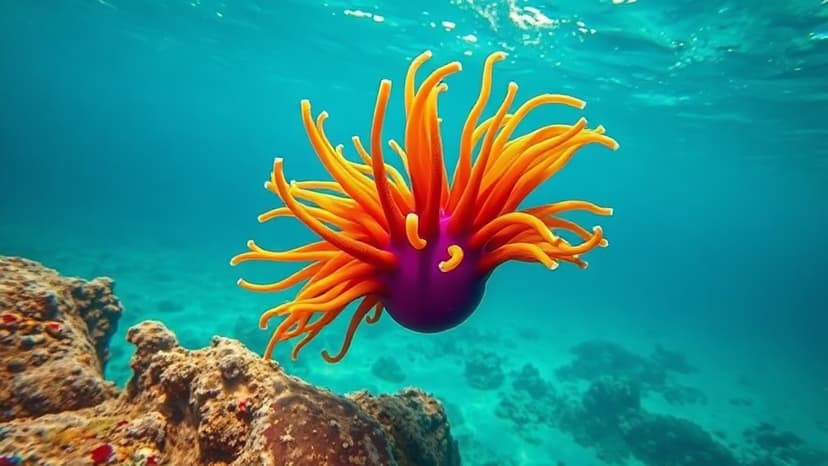
An invasive marine species, the Manjano anemone, poses a significant threat to Oʻahu's Kāneʻohe Bay. First detected in 2020 with only two individuals, the infestation expanded to cover more than 11,900 square feet by early 2026. This rapid growth prompted state agencies to launch an intensive eradication program, treating the situation as an environmental emergency.
Officials suspect aquarium releases are the likely source of this invasive species, which originates from the Indian Ocean. The Manjano anemone is known for its hardiness and rapid multiplication, making it a challenging problem once introduced into natural environments. Its ability to attach to various surfaces, including sand, rubble, and live corals, complicates removal efforts.
To combat the spread, Hawaii has adopted an unusual eradication method. Large impermeable tarps are deployed to isolate sections of the reef, beneath which chlorine is applied. This containment strategy aims to eliminate the anemones while minimizing impact on the surrounding ecosystem. Initial results have shown substantial mortality of the invasive anemones within treated areas, with no unintended impacts detected outside the treatment footprint.


