Home / Environment / Haryana's Pollution Fight: 2.2 Lakh Old Vehicles Still Haunt Air Quality
Haryana's Pollution Fight: 2.2 Lakh Old Vehicles Still Haunt Air Quality
31 Jul
Summary
- Over 2.2 lakh end-of-life vehicles operate in Haryana's NCR districts.
- Enforcement efforts have only managed to remove a fraction of these vehicles.
- Authorities aim to seize 100 end-of-life vehicles daily before winter.
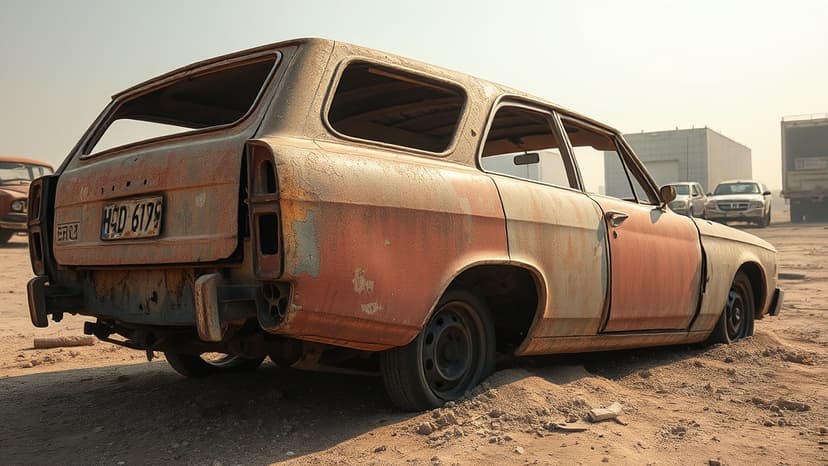
More than 2.2 lakh end-of-life vehicles are still operating across Haryana's National Capital Region (NCR) districts, hindering efforts to combat severe air pollution. A review by the Haryana State Pollution Control Board (HSPCB) revealed that over a quarter of the state's aging vehicles in the NCR remain on the roads, contributing to toxic emissions. This situation presents a substantial challenge for authorities as winter approaches, a period when air quality typically worsens.
Enforcement teams have been actively working to address this issue. Between January and June, they seized 4,722 end-of-life vehicles, scrapped 2,134, and issued 6,710 no-objection certificates (NOCs) for owners to relocate their vehicles to non-NCR areas. The state has now set an ambitious target of seizing 100 such vehicles daily. These measures are part of a comprehensive strategy to reduce emissions before winter.
Vehicles older than 10 years for diesel and 15 years for petrol are prohibited from operating in Delhi and other NCR states under Supreme Court and NGT directives. The enforcement drive specifically targets older BS-III and preceding models, which emit significantly higher pollutants than newer vehicles. Owners caught operating prohibited vehicles face seizure and prosecution, with the options to either scrap the vehicle or obtain an NOC.
However, compliance poses financial difficulties for many vehicle owners. Some express that their vehicles are mechanically sound and pass pollution tests, yet they are forced to scrap them due to age restrictions. Concerns have been raised that the government should provide better incentives for vehicle scrapping or replacement, as purchasing new vehicles is unaffordable for many middle-class families. Environmental experts emphasize that phasing out old vehicles is a crucial step in reducing transport emissions, particularly ahead of winter.


