Home / Environment / Gulf Dead Zone Shrinks After Storm Mixes Waters
Gulf Dead Zone Shrinks After Storm Mixes Waters
6 Aug
Summary
- Gulf of Mexico dead zone measured 1,332 square miles this July.
- Tropical Storm Bertha temporarily disrupted conditions before measurement.
- Nutrient runoff from rivers fuels the annual oxygen depletion.
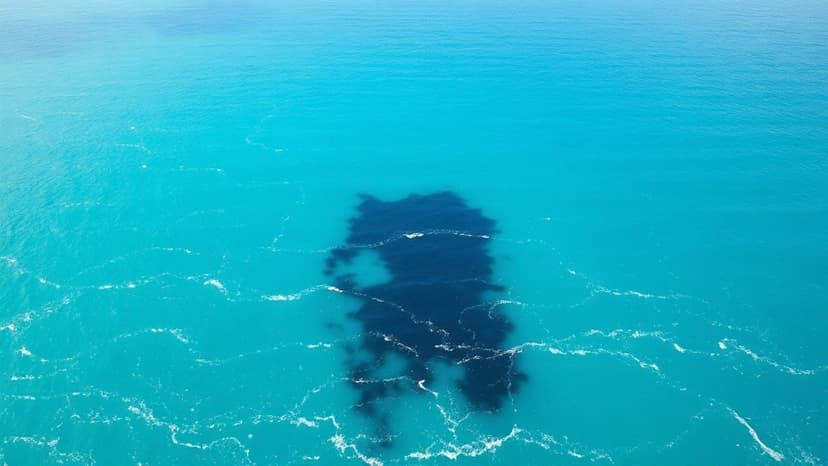
A vast low-oxygen "dead zone" has formed in the Gulf of Mexico, with recent measurements indicating an area of 1,332 square miles. This zone, where dissolved oxygen is too low for most marine life, is the second smallest recorded in four decades.
The annual hypoxic zone, fueled by nutrient-rich waters from the Mississippi and Atchafalaya rivers, typically affects northern Gulf waters near Louisiana. These nutrients, often from agricultural runoff, cause algal blooms that deplete oxygen when they decompose.
Scientists attribute this year's unusually small measurement to Tropical Storm Bertha. The storm passed through shortly before the survey, stirring the water column and temporarily mixing oxygen-rich surface water downward, which masked the extent of the low-oxygen conditions.
While the measured area was small, scientists caution that the underlying nutrient problem persists. Federal agencies aim to shrink the Gulf's dead zone to 1,900 square miles by 2035 by reducing nutrient runoff across the Mississippi River watershed.
Hypoxic zones are not unique to the Gulf of Mexico, with recurring low-oxygen events documented in Chesapeake Bay, Long Island Sound, and parts of Lake Erie. These widespread issues threaten marine life and coastal ecosystems.


