Home / Environment / Greenland's ice melts, threatening hunters' livelihoods
Greenland's ice melts, threatening hunters' livelihoods
10 Feb
Summary
- Arctic warming four times faster than global average.
- Delayed sea ice impacts seal hunting and musk ox hunts.
- Dog sledding season shrinks, impacting businesses and animals.
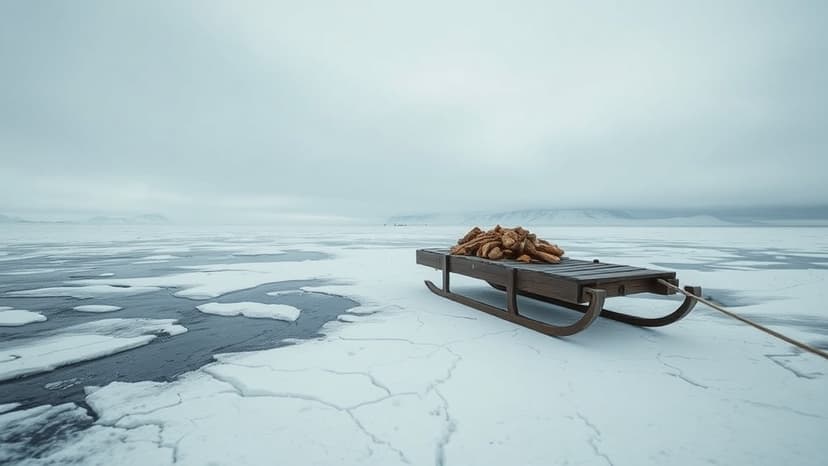
In February 2026, hunters in southwestern Greenland are facing significant challenges as the sea ice has yet to freeze, a direct consequence of the Arctic warming four times faster than the rest of the planet. This environmental shift compels hunters like Malik Kleist to venture deeper into fjords for seals, a deviation from traditional practices that relied on pack ice for hunting and seal breeding.
The delay in ice formation has also postponed the annual winter musk ox hunt. Insufficient snow and ice make transporting the large animals from the tundra to towns impossible, severely affecting the income of hunters who rely on musk ox meat and skins during this period.
Furthermore, the shrinking winter season is impacting Greenland's tourism sector, particularly dog sled tours. Mushers report difficult conditions with uneven ice and snow, forcing them to manually push sleds. The dogs themselves face health issues, including dehydration due to lack of snow for hydration.