Home / Environment / Greenland's Ice Melts: A Global Climate Ticking Bomb
Greenland's Ice Melts: A Global Climate Ticking Bomb
14 Jan
Summary
- Greenland lost 105 billion metric tons of ice in a recent 12-month period.
- Melting ice contributes to global sea-level rise, already up four inches since 1993.
- Greenland's mineral wealth and strategic location are key interests due to warming.

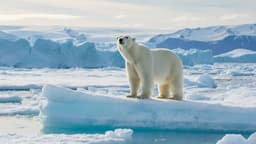
Greenland's substantial ice loss is a critical indicator of global climate change. In the 12 months ending August 31, 2025, the island shed an estimated 105 billion metric tons of ice. This ongoing phenomenon, which has persisted for 29 years, directly contributes to rising sea levels worldwide, which have already increased by approximately four inches since 1993.
The accelerated melting in Greenland and the wider Arctic, driven by fossil fuel emissions, is transforming the region. This warming trend opens up new shipping routes and access to vital mineral resources, making the Arctic a strategic target for global powers. The loss of reflective sea ice also leads to increased absorption of solar heat by the oceans, further exacerbating warming and potentially disrupting global ocean circulation patterns.
Beyond environmental concerns, Greenland's thawing landscape is revealing significant mineral deposits, including graphite and rare earth elements crucial for renewable energy technologies. Despite potential economic benefits, environmental concerns have led Greenland's government to halt oil exploration licenses and ban uranium mining. The changing Arctic dynamics are also spurring a race for new shipping routes, primarily along the Northern Sea, with potential ecological risks from increased maritime activity.