


Home / Environment / Alarming Decline: Greenfinch Numbers Plummet by 67%
Alarming Decline: Greenfinch Numbers Plummet by 67%
10 Apr
Summary
- Greenfinch population has fallen by 67% since 1979.
- Parasitic disease trichomonosis, spread at feeders, is the cause.
- RSPB advises 'safe and seasonable' feeding practices to protect birds.
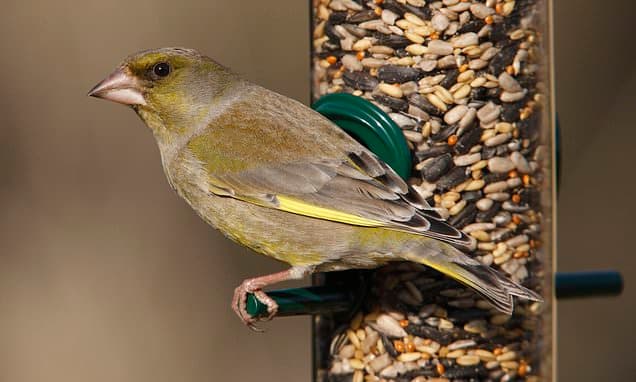
Greenfinch numbers in Britain have seen a dramatic decline of 67% since 1979, placing the species at risk of extinction. The Royal Society for the Protection of Birds (RSPB) attributes this severe population drop primarily to trichomonosis, a parasitic disease easily transmitted between birds at garden feeders. This has led to the greenfinch being added to the UK's Red List of endangered species.
The RSPB is urging the public to adopt more cautious feeding practices, especially during warmer months from May to October when the disease spreads most readily. They recommend pausing the use of seeds and peanuts, which attract large gatherings of birds, and instead offering small amounts of mealworms or fat balls.
Beyond feeder hygiene, growing bird-friendly plants such as sunflowers, ivy, field scabious, dog rose, lavender, and berry-producing shrubs like hawthorn, elder, and honeysuckle can provide essential food and shelter. These plants attract insects and offer natural foraging opportunities.
This decline echoes concerns for other species, notably starlings, whose numbers have fallen by 85% since 1979. Starlings are also red-listed due to habitat loss and pesticide use impacting their food sources. The RSPB's Big Garden Birdwatch, which involved over 650,000 participants, highlighted these worrying trends, with house sparrows, blue tits, and starlings remaining the most common garden birds.
