Home / Environment / Green Bay's Whitefish Boom: A Pollution Paradox?
Green Bay's Whitefish Boom: A Pollution Paradox?
11 Mar
Summary
- Nutrient pollution may paradoxically aid Green Bay's whitefish.
- Whitefish populations have vanished from most lower Great Lakes.
- Concerns grow as fewer young whitefish reach adulthood in Green Bay.
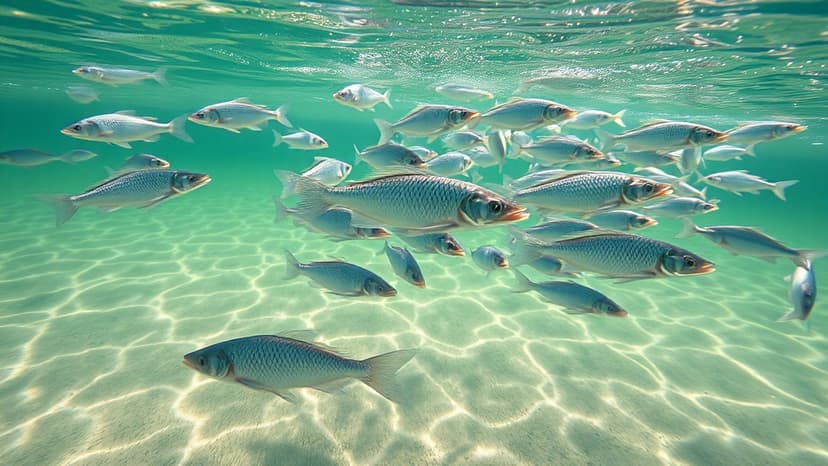
Southern Green Bay, once deemed too polluted for significant fish populations, has become a surprising haven for whitefish. This shallow bay in Lake Michigan is experiencing a boom in whitefish, a species that has largely vanished from the lower Great Lakes. Ironically, nutrient pollution from farms and factories may be contributing to this resilience, fostering a robust recreational fishery and supporting commercial operations.
This unique situation offers hope and insights for whitefish recovery efforts across the Great Lakes. Scientists are studying Green Bay's nutrient-rich, sheltered waters, finding inspiration for transplanting efforts in Michigan. Despite its current success, concerns are mounting as recent population models show a decline in juvenile whitefish survival, suggesting the bay's status as a whitefish stronghold may be weakening.
Decades of cleanup efforts have improved water quality, removing toxic PCBs and reducing phosphorus. This has led to a resurgence in aquatic life, including a world-class fishery. However, the long-term outlook is uncertain. Factors like invasive mussels, which deplete nutrients elsewhere, and the increasing frequency of low-ice winters due to climate change threaten whitefish reproduction. Scientists are closely monitoring the situation, with potential future discussions around lowering fishing quotas to protect the species.