Home / Environment / Greece Deploys Eco-Moorings to Save Vital Mediterranean Seagrass
Greece Deploys Eco-Moorings to Save Vital Mediterranean Seagrass
10 Mar
Summary
- New eco-moorings protect vital Mediterranean seagrass damaged by anchors.
- Project aims to safeguard seagrass meadows covering 70% of Greece's coast.
- Eco-moorings are crucial for climate change fight and marine biodiversity.
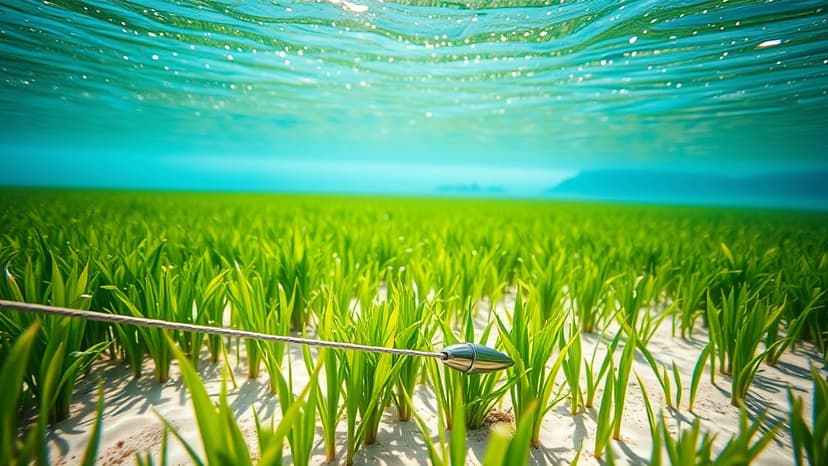
A significant project is underway in Greece, focusing on the protection of essential Mediterranean seagrass species. Initiated at the yachting harbor of Porto Rafti near Athens, the initiative addresses decades of damage to these vital plants caused by boat anchors scraping the seabed. New ecological mooring systems are being installed to mitigate this harm.
The new eco-moorings are designed to be less damaging to the 'posidonia' plants, which are crucial for marine ecosystem health. Divers install these anchorages by drilling into the seabed and securing the eco-mooring, allowing vessels to dock safely without damaging the environment. The Greek ministry of merchant marine plans to expand this project nationwide, aiming to cover Greece's extensive 13,000 kilometers of coastline, where seagrass meadows are prevalent.
These ribbon-like plants are recognized by the European Union as a 'priority habitat' and play a critical role in environmental conservation. They are vital in the fight against climate change, known for capturing and storing carbon, producing oxygen, purifying water, and fostering biodiversity. The degradation of these seagrass meadows due to anchoring is considered a major threat.
Experts advocate for accelerated legislative action and broader implementation of eco-moorings across Greece. Neighboring countries like Spain and France have already established similar protective measures. This expansion is seen not only as an environmental necessity but also as a pathway to developing profitable, high-quality maritime tourism, contributing to both ecological preservation and economic growth.