Home / Environment / Ancient Sites Fight Fierce Wildfires With New Tech
Ancient Sites Fight Fierce Wildfires With New Tech
1 Sep
Summary
- Greece is installing firefighting infrastructure at archaeological sites.
- Measures include water tanks, sprinklers, and generators.
- New defenses are necessary but visually impact historical ruins.
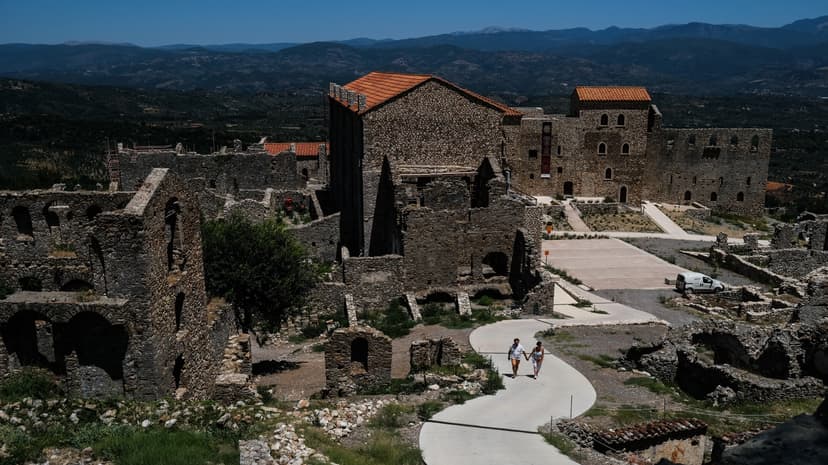
As climate change intensifies wildfires, Greece is implementing robust fire protection measures at its significant archaeological sites. Iconic locations, such as the Byzantine city of Mystras in the Peloponnese, are now outfitted with visible firefighting equipment, including water tanks and sprinkler systems, to combat escalating threats. This proactive approach, which also involves clearing vegetation and improving road access for fire trucks, marks a shift from post-disaster restoration to systematic resilience building.
While these necessary defenses are crucial for safeguarding millennia-old ruins from devastating blazes, they present a challenge to the aesthetic integrity of these historical places. Archaeologists acknowledge the visual impact of modern infrastructure but recognize the urgent need for protection, especially given recent fatal wildfires. Greece has enacted specific regulations for archaeological site fire safety, becoming a model for other nations in addressing climate change impacts on cultural heritage.
Measures have already been taken at over 60 sites, with significant investment, such as nearly $4 million at Mystras from 2022 to 2025, funded by European Union subsidies. Despite the visual compromises and the ongoing need for maintenance funding, the preservation of Greece's rich past and cultural heritage is deemed a critical priority for the nation and its people.


