Home / Environment / Atlantic's Giant 'Brown Belt' Threatens Ecosystems
Atlantic's Giant 'Brown Belt' Threatens Ecosystems
2 Mar
Summary
- A massive brown seaweed belt, the Great Sargassum Belt, spans the Atlantic.
- Nutrient runoff from land is fueling its alarming growth and spread.
- The seaweed's decomposition releases toxic gases and harms marine life.
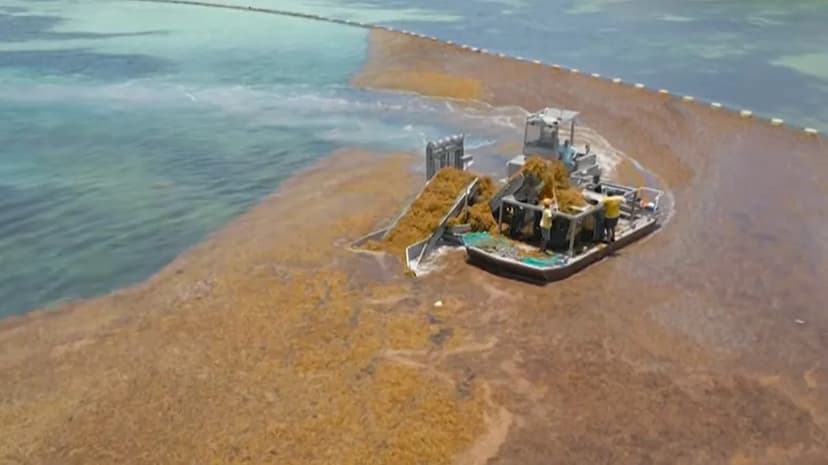
A vast brown seaweed belt, scientifically known as pelagic sargassum, has formed a ribbon across the Atlantic Ocean, stretching from West Africa to the Gulf of Mexico. This phenomenon, now called the Great Sargassum Belt, is unprecedented in scale and is primarily driven by increased nutrient content in the ocean. Researchers indicate that agricultural runoff and wastewater discharge from land are providing the seaweed with essential nutrients, allowing it to thrive far beyond its natural habitat in the Sargasso Sea.
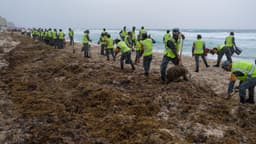
This massive proliferation of seaweed, amounting to 37.5 million tons, has severe ecological consequences. As it washes ashore and decomposes, it releases toxic hydrogen sulfide gas. This process damages coral reefs, depletes oxygen levels in nearshore waters, and emits greenhouse gases that could exacerbate climate change. The Great Sargassum Belt has already caused significant disruptions, including mass strandings of marine life and costly beach cleanups, highlighting the urgent need for action.