Home / Environment / Goa Turns Waste Into Gold: Local Composting Revolution
Goa Turns Waste Into Gold: Local Composting Revolution
24 Aug
Summary
- Biodegradable waste transformed into organic manure within 48 hours.
- Decentralised model cuts transport, fuel use, and emissions.
- Technology is adaptable for various scales, from villages to hotels.
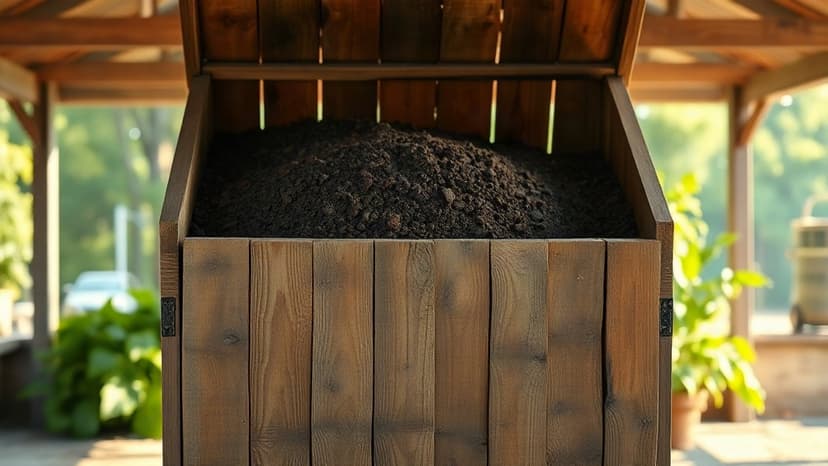
Panaji, Goa, is embracing a novel approach to solid waste management by implementing a decentralised model. This strategy focuses on processing biodegradable waste near its point of origin, with a pilot project in Bicholim, North Goa, showcasing its potential. The Nisargruna Rapid Composting Technology, developed by waste management expert Sharad Kale, is central to this initiative.
The core principle involves shredding segregated biodegradable waste and mixing it with a special bacterial culture. This mixture undergoes controlled aerobic degradation, transforming waste into organic manure within 24 to 48 hours. A metric tonne of waste can yield up to 160 kg of usable manure, significantly reducing the need for lengthy waste transportation.
This method not only cuts down on fuel consumption and emissions associated with collection trips but also enhances hygiene by minimising the handling of rotting organic matter. The Nisargruna technology is scalable, suitable for deployment by gram panchayats, municipal areas, markets, housing complexes, hotels, and other bulk waste generators.
Kale highlighted that the technology neutralises foul odours and absorbs leachate immediately upon processing, addressing common community concerns. This rapid transformation of waste into a valuable resource, like organic manure, promotes a circular economy and makes waste management more efficient and less burdensome.
The success of the Bicholim project is expected to inspire similar decentralised facilities across Goa, potentially extending to panchayats, markets, hotels, schools, and hospitals. This shift encourages viewing organic waste as a resource rather than mere refuse, thereby reducing apprehension and improving the overall management of wet waste. The ultimate goal is to innovate waste management practices, focusing on preventing waste from becoming waste in the first place.


