
Home / Environment / Goa's Eco-Scheme Faces Backlash
Goa's Eco-Scheme Faces Backlash
8 Mar
Summary
- Waste scheme delay mounts due to industry and stakeholder opposition.
- Study shows scheme excludes half of Goa's littered non-recyclable waste.
- Stakeholders demand 3-6 month postponement for scheme revisions.
Goa's ambitious plan to incentivize trash collection through a deposit refund scheme (DRS) is facing significant delays and opposition from various stakeholders. The scheme, intended to add a small fee (₹2 to ₹10) above the MRP on consumer goods in non-biodegradable packaging, which would be refunded upon return of empty packaging, was scheduled to launch on April 1. However, industry associations, including alcohol and beverage retailers and FMCG retailers, have raised serious concerns.
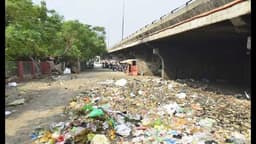
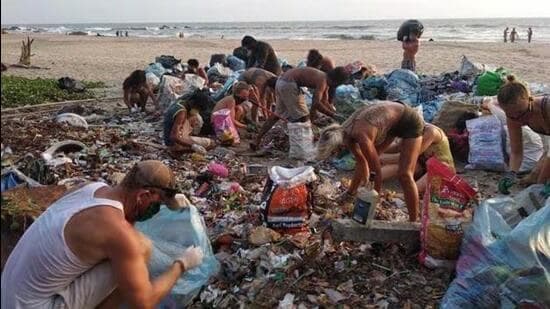
The waste management association, managing waste in approximately 60 villages, stated that the DRS in its current form will do little to reduce litter. An independent study of Goa's most littered sites found that about half the waste comprises non-recyclable materials not covered by the scheme, with organic waste making up another 20%. Items targeted by the DRS, like glass bottles and PET bottles, constitute a small percentage of the total waste.
Stakeholders are demanding a postponement of three to six months for the scheme to be revised. They argue that the current focus is on items already largely disposed of correctly, while major waste contributors like single-use plastics, diapers, and organic waste are excluded. Government officials have acknowledged the likelihood of a delay, citing ongoing consultations with stakeholders and the need to ensure their buy-in, though they aim to keep revisions minimal.
The proposed DRS aims to tackle issues like shattered liquor bottles on beaches and improve earnings for waste pickers. However, retailers are concerned about the lack of awareness and clear guidelines on charging additional fees above MRP. Goa currently generates about 800 tonnes of municipal solid waste daily, with nearly 45% being non-biodegradable, and per-capita plastic waste generation is notably high.