

Home / Environment / Glowing Ocean Ring: Mystery Plankton Bloom Stuns Scientists
Glowing Ocean Ring: Mystery Plankton Bloom Stuns Scientists
27 Apr
Summary
- A massive plankton bloom formed a glowing halo around New Zealand's Chatham Islands.
- Coccolithophores, tiny marine life, caused the unusual ring visible from space.
- This phenomenon highlights both marine health and potential risks like whale strandings.
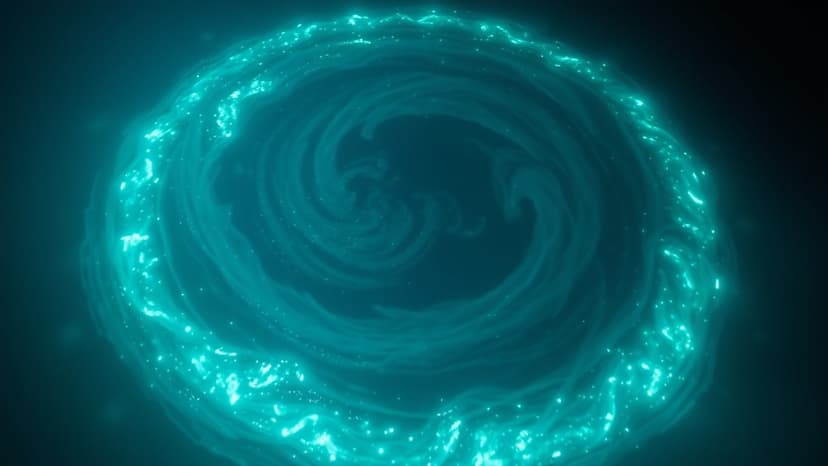
Early this year, a remarkable glowing halo formed around New Zealand's Chatham Islands. NASA satellites captured this phenomenon, which was caused by an unprecedented bloom of plankton, specifically coccolithophores. These microscopic organisms, thriving due to nutrient-rich waters influenced by ocean currents and the Chatham Rise geological formation, reflected sunlight intensely.
The bloom's distinct circular shape is attributed to ocean currents and eddies. This vibrant display signifies a healthy marine ecosystem, vital for the region's rich biodiversity, including numerous whale and dolphin species. However, the shallow waters associated with the Chatham Rise can also disorient marine life, leading to whale strandings.
Satellite observations of ocean color are crucial for understanding complex oceanic processes. They help scientists monitor environmental changes, the interplay of currents, climate change impacts, and underwater terrain. The Chatham Islands' luminous ring serves as a stark reminder of the ocean's delicate balance, showcasing both life's abundance and its inherent vulnerability.
