Home / Environment / Simultaneous Blazes Strain Global Firefighting Efforts
Simultaneous Blazes Strain Global Firefighting Efforts
23 Feb
Summary
- Global wildfires occur simultaneously at double the rate compared to 50 years ago.
- Climate change is responsible for about half of this increase in fire weather.
- Stretched resources mean fewer countries can lend aid during major fire events.
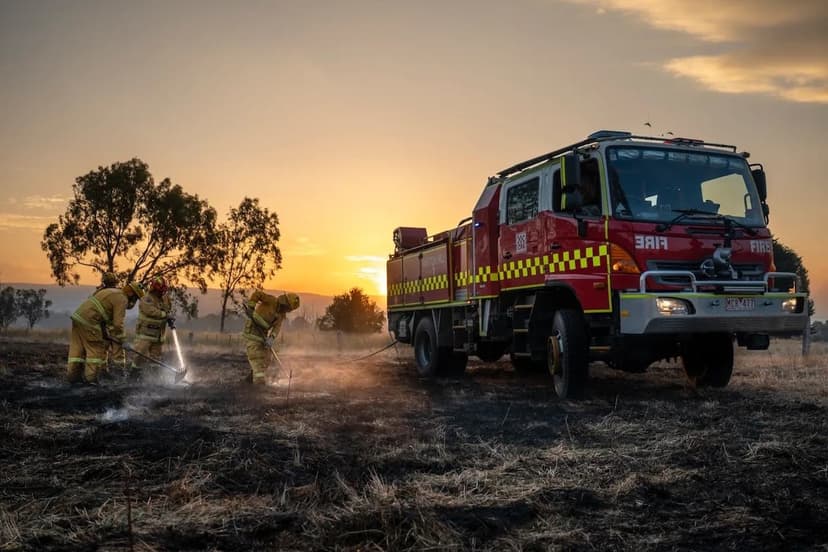
The frequency of simultaneous major wildfires across the globe has more than doubled over the past five decades. Researchers indicate that human-driven climate change is responsible for roughly half of this alarming rise in concurrent fire weather conditions. These escalating events place immense pressure on firefighting resources, as nations find themselves needing to address domestic blazes rather than offering international assistance.
This growing trend means more years may see multiple large wildfires burning at once, leading to extended periods of hazardous air quality for millions worldwide. The smoke from these infernos can travel vast distances, causing severe public health issues. The financial and societal costs are escalating, with experts warning that this situation is likely to worsen as global temperatures continue to climb.
While international cooperation has historically aided countries facing severe wildfires, the increased incidence of simultaneous blazes worldwide will likely diminish the availability of external support. This exacerbates the challenge of managing fires and protecting communities from smoke pollution and property damage. Addressing this crisis requires a multifaceted approach, including better landscape management and significant reductions in greenhouse gas emissions.