feedzop-word-mark-logo
searchLogin
Feedzop
homeFor YouIndiaIndia
You
bookmarksYour BookmarkshashtagYour Topics
Trending
Terms of UsePrivacy PolicyAboutJobsPartner With Us

© 2026 Advergame Technologies Pvt. Ltd. ("ATPL"). Gamezop ® & Quizzop ® are registered trademarks of ATPL.

Gamezop is a plug-and-play gaming platform that any app or website can integrate to bring casual gaming for its users. Gamezop also operates Quizzop, a quizzing platform, that digital products can add as a trivia section.

Over 5,000 products from more than 70 countries have integrated Gamezop and Quizzop. These include Amazon, Samsung Internet, Snap, Tata Play, AccuWeather, Paytm, Gulf News, and Branch.

Games and trivia increase user engagement significantly within all kinds of apps and websites, besides opening a new stream of advertising revenue. Gamezop and Quizzop take 30 minutes to integrate and can be used for free: both by the products integrating them and end users

Increase ad revenue and engagement on your app / website with games, quizzes, astrology, and cricket content. Visit: business.gamezop.com

Property Code: 5571

Home / Environment / Pesticide Toxicity Surges Globally, Harming Insects

Pesticide Toxicity Surges Globally, Harming Insects

6 Feb

•

Summary

  • Insect harm from pesticides increased by 42.9% between 2013 and 2019.
  • Only aquatic plants and land vertebrates saw reduced danger.
  • Chile is on track to meet the 2030 UN pesticide risk reduction goal.
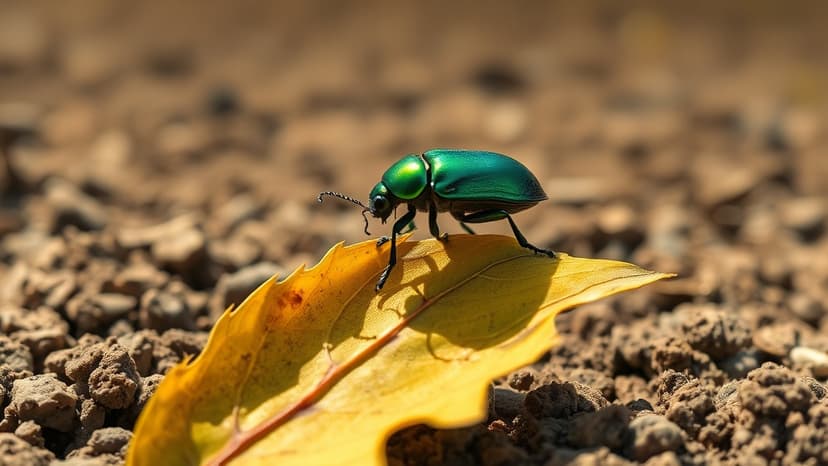
Pesticide Toxicity Surges Globally, Harming Insects

Ecological harm from synthetic farm chemicals has demonstrably worsened globally, with insects suffering the most significant increase in toxicity. Between 2013 and 2019, applied toxicity to insects rose by 42.9%, followed by a 30.8% increase for soil organisms.

This trend is concerning as world leaders pledged to halve pesticide risks by 2030. Researchers utilized the total applied toxicity framework, factoring in varying harm levels for different species, to assess damage from 625 pesticides across 65 countries.

While Europe and China have seen reductions due to policies phasing out certain chemicals and a zero-growth approach, significant increases occurred in Africa, India, the US, Brazil, and Russia. Notably, Chile is the only nation currently projected to meet the UN's biodiversity goal.

Experts highlight that current measurements might underestimate the full impact, as pesticides can cause sub-lethal effects. They stress the critical need for global actions like agricultural diversification, organic farming, and switching to less toxic alternatives to safeguard biodiversity.

Disclaimer: This story has been auto-aggregated and auto-summarised by a computer program. This story has not been edited or created by the Feedzop team.
The study found that ecological harm from synthetic farm chemicals increased globally during this period, with insects experiencing the largest rise in toxicity.
Insects and soil organisms were most affected, experiencing significant increases in applied toxicity between 2013 and 2019.
Chile is the only country identified as being on track to meet the United Nations' goal of reducing pesticide risk by 50% by 2030.

Read more news on

Indiaside-arrowEnvironmentside-arrowAfricaside-arrowBrazilside-arrowChileside-arrowRussiaside-arrow
trending

Justice Dept. Epstein files access

trending

US India trade agreement

trending

Munich Air Disaster remembered

trending

ACC drops German gigafactory

trending

Barcelona vs Mallorca live stream

trending

Harley-Davidson cheaper in India

trending

ISL 2025/26 fixtures announced

trending

House of the Dragon vs Thrones

trending

Anaswara Rajan stars With Love

You may also like

India Opens Gates to US Feed, Nuts; Protects Dairy

1 hour ago • 2 reads

article image

China May Buy 20 Million Tons More US Soybeans

5 Feb • 15 reads

article image

Forest Fires Rage: Twice the Tree Cover Lost Annually

13 Jan • 177 reads

article image

World's Oldest Bees Now Have Legal Rights

30 Dec, 2025 • 190 reads

article image

Global Wildlife Trade Fuels Extinction Crisis

24 Dec, 2025 • 245 reads

article image