

Home / Environment / Energy Shock Fuels Global Shift to Clean Power
Energy Shock Fuels Global Shift to Clean Power
27 Apr
Summary
- Middle East conflict disrupts oil supplies, increasing energy security concerns.
- International Maritime Organization (IMO) and Colombia host critical energy transition talks.
- Investor-State Dispute Settlement (ISDS) system poses a barrier to climate action.
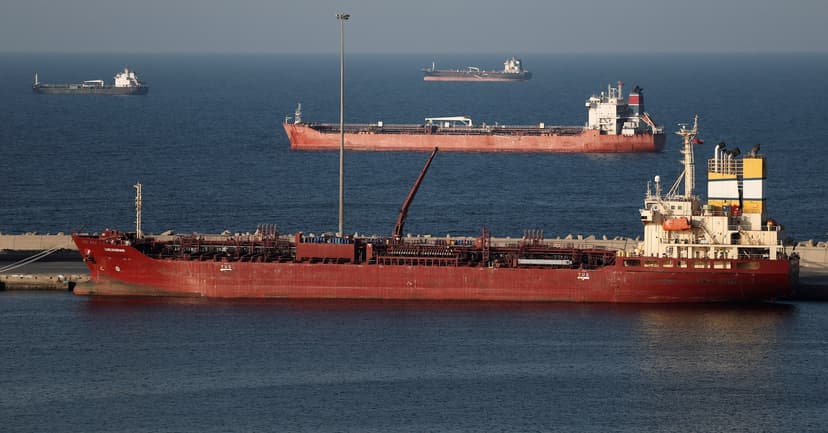
The ongoing energy shock, stemming from Middle East conflict and subsequent oil price surges, is compelling nations worldwide to reassess their energy strategies and accelerate the transition away from fossil fuels.
Two significant meetings are underway: the International Maritime Organization (IMO) in London is working to establish a framework for decarbonizing the shipping industry, while 57 countries gather in Santa Marta, Colombia, to devise policies for phasing out fossil fuels. These discussions are crucial for setting a global roadmap for the energy transition.
The Santa Marta summit addresses key challenges, including the cost of capital for clean energy infrastructure, particularly for Global South nations burdened by debt from fossil fuel extraction. It also tackles the complex issue of phasing out both supply and demand for fossil fuels, highlighting the potential of clean electrification and efficiency measures.
Furthermore, international cooperation and climate diplomacy are central themes, with a focus on dismantling the Investor-State Dispute Settlement (ISDS) system. This system allows foreign investors to sue governments over climate-related policies, acting as a significant barrier to transition. The IMO talks also face hurdles, with the U.S. opposing a price on shipping emissions, potentially jeopardizing a vital net-zero framework.
Discussions at these summits are critical for building momentum, ensuring an equitable transition, and signaling a global commitment to clean energy, despite geopolitical and economic challenges.

