Home / Environment / Beware Quicksand: NPS Warns Glen Canyon Visitors
Beware Quicksand: NPS Warns Glen Canyon Visitors
8 Mar
Summary
- National Park Service issues quicksand warning for Glen Canyon National Recreation Area.
- Visitors should watch for shifting, soft, or unusually smooth ground.
- Previous incidents highlight the real dangers and difficulty of escaping quicksand.

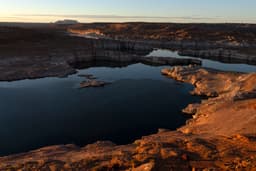
The National Park Service has issued a critical safety alert for visitors to the Glen Canyon National Recreation Area, spanning Arizona and Utah. The warning specifically addresses the danger of quicksand, which can be found near shorelines and in drainages throughout the expansive park.
Quicksand, a deceptive mixture of sand and water or air, can appear stable on the surface but becomes unstable when disturbed. The Park Service advises visitors to be vigilant for "wet, loose or unusually smooth ground," as well as flattened or leveled surfaces that may conceal saturated sediment. Signs of unstable ground include movement, rippling, or subtle vibrations when stepped upon.
While quicksand is often depicted in popular culture, its real-world dangers are significant. Although drowning is nearly impossible, escape can be extremely difficult. The service recommends staying calm, avoiding sudden movements, leaning back to spread body weight, and shifting into a reclined or sitting position to increase buoyancy and prevent further sinking.
This warning follows several recent incidents where individuals have become trapped. In December, a hiker was stranded for hours in subfreezing temperatures in Arches National Park, Utah, due to quicksand. Last year, a man in Michigan encountered similar difficulties on an unstable beach. In 2023, a man tragically drowned after getting stuck in quicksand-like silt in Alaska as the tide came in.