Home / Environment / Peak Glacier Death Looms: Study Reveals Stark Future
Peak Glacier Death Looms: Study Reveals Stark Future
15 Dec
Summary
- Thousands of glaciers disappearing annually, peaking mid-century.
- Warming to 2.7C could see only 20% of glaciers remain by 2100.
- Glacier loss impacts water supply, tourism, and cultural heritage.
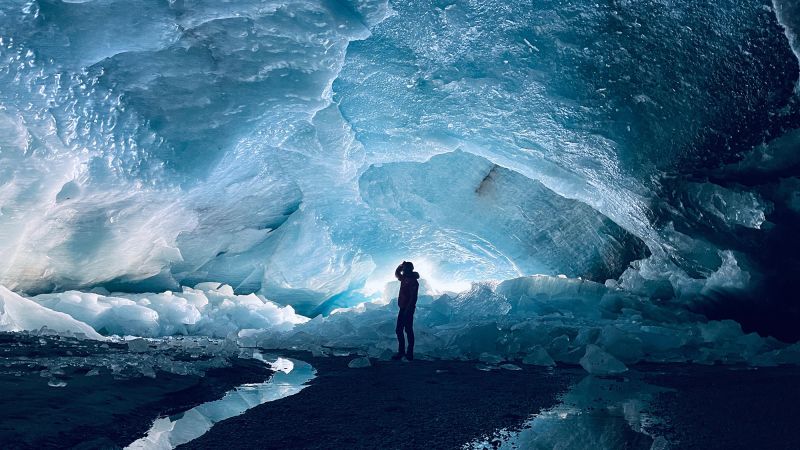
Glaciers worldwide are facing unprecedented extinction, with new research projecting a peak of up to 4,000 disappearances per year by mid-century if current pollution levels persist. This stark warning comes as the world mourns symbolic losses, like the 700-year-old Pizol glacier in Switzerland, which officially "died" in 2019.
The study, published in Nature Climate Change, focused on tracking individual glacier disappearances rather than just ice mass loss. The rate of extinction is heavily dependent on global warming levels. At 1.5C warming, the peak loss is around 2,000 glaciers annually around 2041. However, at 2.7C, the projected warming if current pledges are met, the world will lose about 3,000 glaciers yearly between 2040 and 2060.
The consequences of this rapid melting extend beyond the visual loss of iconic ice bodies. Glaciers are crucial water sources for many communities, support tourism industries, and hold deep cultural significance. Under a 4C warming scenario, nearly all glaciers could be lost by 2100, underscoring the urgent need to address global heating and its profound environmental and societal impacts.