
Home / Environment / Gökova Bay: A Turkish Success Story for Marine Life
Gökova Bay: A Turkish Success Story for Marine Life
1 May
Summary
- Gökova Bay is now home to 73% of Türkiye's fish species.
- Fishermen's incomes have soared by 300% since protection.
- Europe's bottom trawling costs society up to €16 billion yearly.
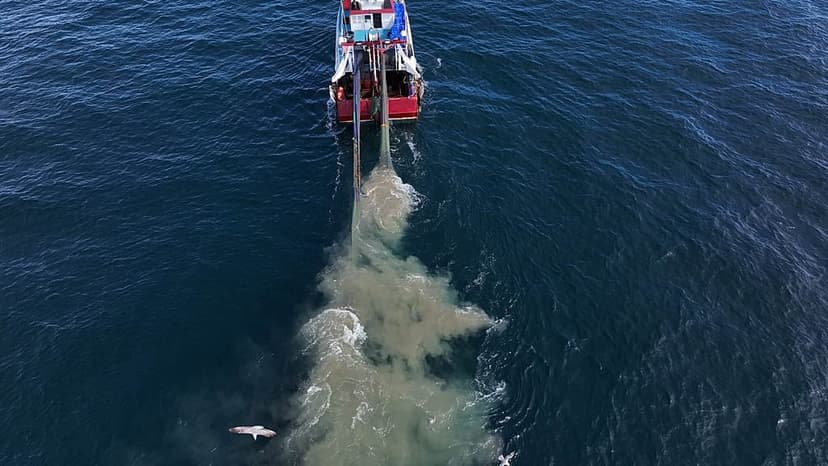
Gökova Bay in Türkiye, once devastated by overfishing and environmental decline, has become a beacon of ocean conservation. Designated a Marine Protected Area in 2010, it now supports nearly 73% of Türkiye's fish species, with endangered Mediterranean monk seals returning to breed.
The bay's revival has led to a remarkable 300% increase in the income of local fishers, demonstrating the economic benefits of robust conservation policies. This success stands in contrast to many of Europe's Marine Protected Areas.
Across Europe, over half of MPAs still permit bottom trawling, a destructive fishing method. This practice, subsidized by billions in taxpayer funds, releases significant CO2 emissions and results in substantial bycatch. The study indicates bottom trawling costs European society up to €16 billion annually.
While the industry generates modest profits and employs few, the economic fragility of bottom trawling was recently highlighted by soaring diesel costs. Experts emphasize that eliminating bottom trawling from MPAs is a crucial first step for climate and ocean health.
Gökova Bay's success hinges on community involvement alongside established no-fishing zones. Marine rangers, including locals like Ayşenur Ölmez, play a vital role in daily patrols. Türkiye has expanded its MPA efforts, inspired by Gökova's recognition in 2017.
Europe is taking steps to curb bottom trawling, with the European Commission planning to phase it out in MPAs by 2030. Greece and Sweden have already banned the practice in all their MPAs, offering a model for broader European action and ecosystem restoration.
