Home / Environment / Gilgit-Baltistan Faces Alarming Snow Drought This Winter
Gilgit-Baltistan Faces Alarming Snow Drought This Winter
18 Jan
Summary
- Below-normal snowfall leaves Gilgit-Baltistan unusually dry this winter.
- Experts warn 'snow drought' could increase downstream flood risk.
- Climate change and local factors disturb the region's fragile ecosystem.
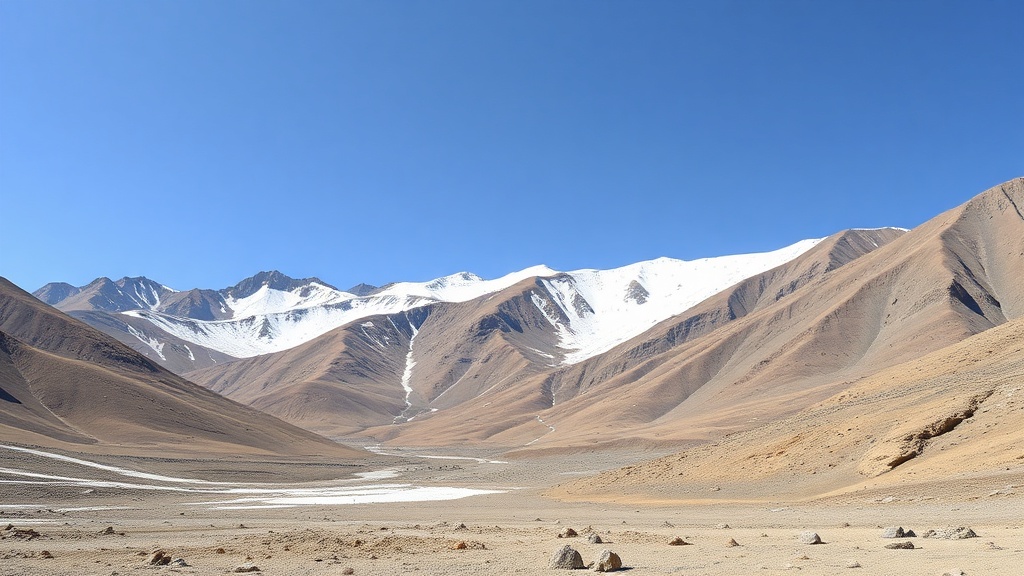
Gilgit-Baltistan is grappling with a significant snow drought this winter, a stark indicator of climate change impacts. Below-normal snowfall has left much of the region unusually dry, with areas like Skardu and Ghizer receiving minimal snow, contrary to typical mid-January conditions. Residents have observed a pattern of later and lighter snowfall over the past two years, coupled with unusually high temperatures extending into December.
Experts from the Gilgit-Baltistan Environmental Protection Agency highlight that this shift in winter patterns, characterized by late and insufficient snowfall, disrupts the region's fragile ecosystem. The reduced snowpack limits its ability to compact and form ice, leading to rapid melting during summer. This accelerates glacial melt and increases the risk of flash floods downstream.
While climate change is identified as a primary driver, local factors such as deforestation, unplanned infrastructure development, increased tourism, and human activities near glaciers are also contributing to the altered weather patterns. Data indicates a rise in the region's average temperature and an increase in climate-linked hazards.