Home / Environment / Ganga Drying: South Asia Water Crisis Looms
Ganga Drying: South Asia Water Crisis Looms
14 Feb
Summary
- Ganga river flow declined 17% from 1980-2021.
- Indus river flow increased by 8% during same period.
- Groundwater pumping significantly impacts Ganga flows.
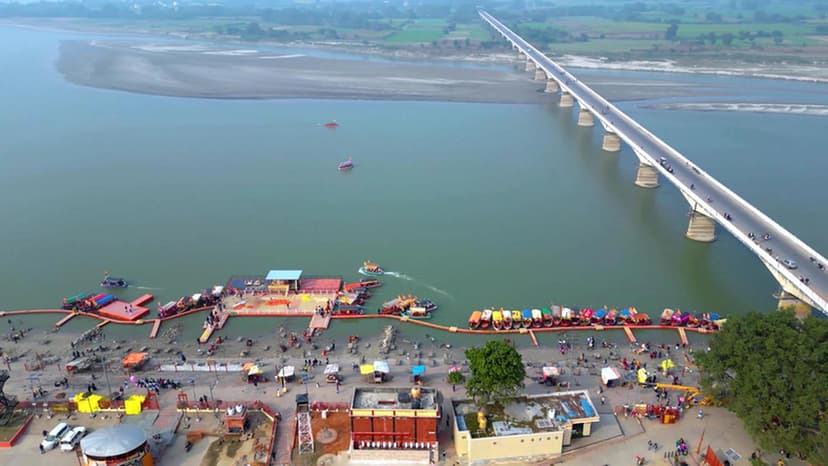
A recent study analyzing hydrological data from 1980 to 2021 indicates that the Indus and Ganga river systems in the Indian subcontinent are experiencing diverging trends. The Ganga Basin has faced a substantial 17% reduction in annual streamflow over the past four decades. Researchers attribute this decline primarily to extensive groundwater extraction for agricultural irrigation, exacerbated by a 10% rainfall decrease and rising temperatures.
In contrast, the Indus Basin has seen a modest 8% increase in streamflow during the same period. This rise is largely linked to increased precipitation, especially from western disturbances. However, the study highlights that the overall increase in the Indus does not apply uniformly to all its tributaries.
The research underscores the critical role of groundwater in sustaining river flows, contributing 50% to 70% of annual flow in parts of the Ganga Basin. Intensive pumping, particularly during dry periods, has led to depleted groundwater levels, with some rivers even losing water to aquifers. Experts call for integrated management of surface and groundwater resources, along with adaptive irrigation practices and crop diversification, to address the escalating water security challenges.