Home / Environment / Galápagos Goats Gone: Island Paradise Restored
Galápagos Goats Gone: Island Paradise Restored
28 Jun
Summary
- Over 140,000 feral goats were removed from the Galápagos archipelago.
- Project Isabela cost US$10.5 million to eradicate goats from 500,000 hectares.
- Judas goats, fitted with trackers, were key to locating feral herds.
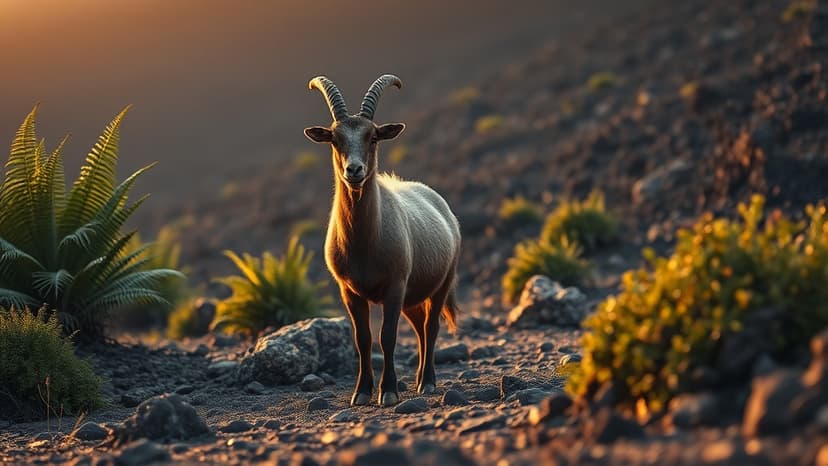
In a monumental conservation achievement, over 140,000 feral goats have been eradicated from the Galápagos archipelago, restoring ecosystems across more than 500,000 hectares. Project Isabela, initiated in 1997, cost US$10.5 million and has revolutionized large-scale wildlife conservation strategies.
Feral goats had severely degraded the islands' native vegetation and soil, threatening endemic species. The eradication effort, particularly on Isabela Island, utilized aerial hunting via helicopter for the majority of removals. A unique "Judas goat" strategy involved sterilized, collared goats leading hunters to feral herds, proving instrumental in the final stages of eradication.
Despite the successes, challenges persist, including intentional reintroductions of goats by external parties. Conservationists have spent additional funds to remove remaining goats and donkeys from other islands. The ecological recovery has been remarkable, with endangered species returning and native plant populations rebounding.
This massive undertaking demonstrated the feasibility and cost-effectiveness of large-scale island restoration, costing less than $20 per hectare archipelago-wide. It highlighted that while the science of eradication is achievable, securing financing, political will, and community support remain the most significant hurdles for future conservation efforts.


