Home / Environment / Gramma the Tortoise: How Captivity Saved a Species
Gramma the Tortoise: How Captivity Saved a Species
26 Jan
Summary
- Gramma, a Galapagos tortoise, lived 141 years, witnessing significant historical events.
- Early conservation efforts moved tortoises to zoos to prevent extinction.
- Zoos can serve as a safe haven when an animal's natural habitat is threatened.
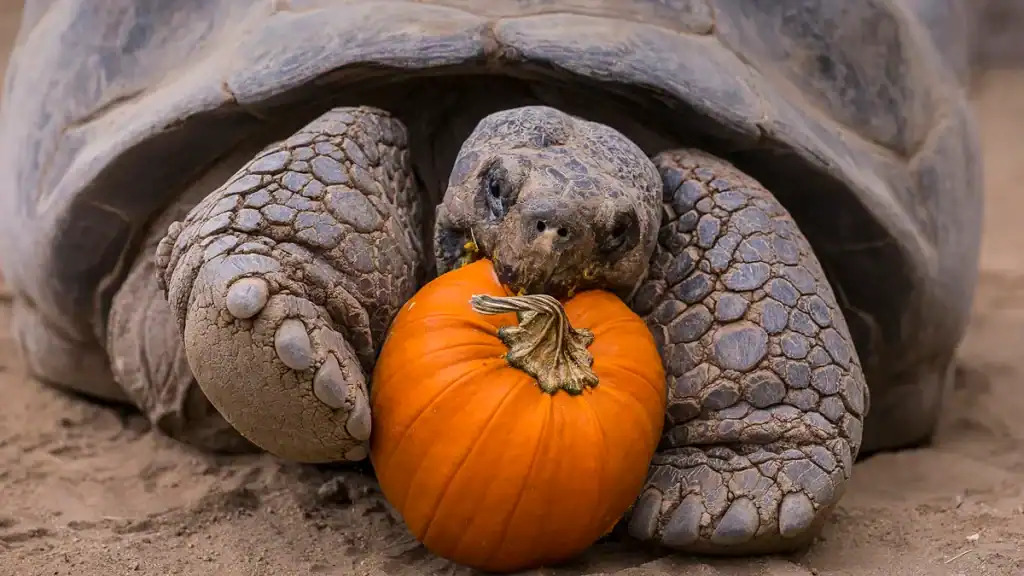
Gramma, a Galapagos tortoise, lived an astonishing 141 years, a life spanning major global events and over 20 U.S. presidencies. She was born on the Galapagos Islands around 1884, a time when human exploitation severely threatened tortoise populations.
To combat extinction, conservationists began relocating Galapagos tortoises, including Gramma, to zoos across the United States in the early 1900s. Gramma's journey took her from the Bronx Zoo to the San Diego Zoo, where she became an ambassador for reptile conservation.
Zoos provided a sanctuary when the tortoises' natural habitat faced overwhelming threats from hunting and invasive species. This strategy aimed to create an "insurance" population, safeguarding species like the Española giant tortoise, which once numbered only 15 individuals.