Home / Environment / Future Food: Climate Chaos Threatens Global Crops
Future Food: Climate Chaos Threatens Global Crops
29 Oct
Summary
- Climate change doubles agricultural losses, costing $144bn annually.
- Monoculture risks pest spread; traditional crops offer biodiversity.
- Knowledge transfer vital for farmers to adopt climate-resilient crops.
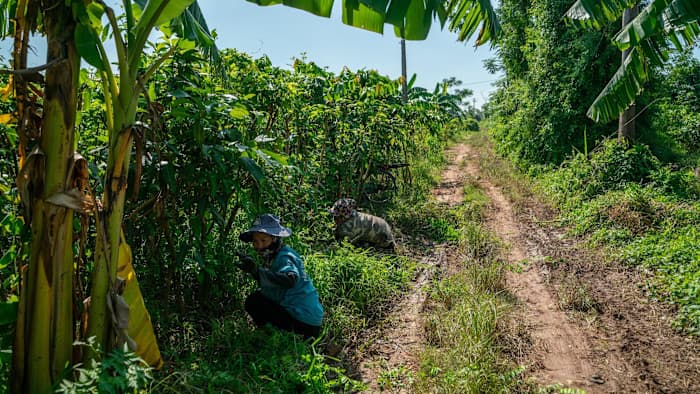
Global agriculture faces unprecedented challenges as climate change escalates, with annual losses now averaging $144 billion. Rising temperatures and unpredictable weather patterns are putting significant pressure on crop yields, with disruptions from extreme weather events increasing by 250% since 2021.
Experts warn that current food systems will become unsustainable within three decades. The heavy reliance on a few staple crops, like maize and soybeans, exacerbates the risk of widespread pest and disease outbreaks. Revitalizing thousands of neglected traditional crops, such as wild rice, sorghum, and jackfruit, is essential for building a more resilient and biodiverse agricultural future.
Farmers need enhanced financial security and access to knowledge, both traditional and modern, to experiment with climate-resilient varieties. Initiatives like India's millet program, boosting production to 18 million tonnes by 2025, demonstrate the potential of traditional crops. Connecting farmers to specialty markets can also improve incomes, as seen with black soybeans in the Himalayas.
Effective knowledge transfer is critical, especially for younger generations leaving farming. Sharing cultural and technical expertise on cultivating and preparing diverse crops, like the prickly pear cactus, can help mitigate famine and restore soil health. While technological advancements in production are progressing, a greater focus on disseminating and respecting niche agricultural knowledge is needed globally.


