Home / Environment / Fukushima's Green Hydrogen Future Blooms
Fukushima's Green Hydrogen Future Blooms
2 Feb
Summary
- Fukushima Hydrogen Energy Research Field uses renewables to produce hydrogen.
- The facility supports fuel-cell vehicles and local businesses.
- Japan aims to decarbonize with hydrogen but faces cost challenges.
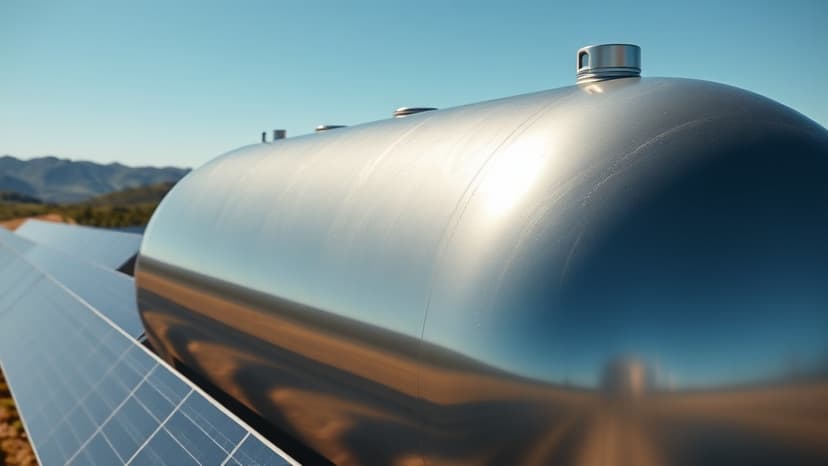
In the years following the 2011 nuclear meltdowns, Fukushima is emerging as a leader in clean energy, specifically focusing on hydrogen power. The Fukushima Hydrogen Energy Research Field (FH2R), located in Namie town, has been operational since March 2020. It utilizes renewable electricity from solar panels to produce 'green' hydrogen through electrolysis.
This locally produced hydrogen supports fuel-cell vehicles, local businesses, and power generation within the community. Fukushima Prefecture has committed to meeting its energy needs with renewables by approximately 2040, with hydrogen playing a crucial role in balancing intermittent renewable energy sources. The project aims to drive regional economic revitalization.
Japan's national strategy includes developing a "hydrogen society" to decarbonize transportation and industrial processes. While FH2R's green hydrogen model is symbolic, the government also supports hydrogen produced from fossil fuels. Challenges remain, including reducing production costs and establishing robust infrastructure, but Fukushima is testing technologies and supply chains to pave the way for broader adoption.