Home / Environment / Heatwave Exposes France's Deep Inequality
Heatwave Exposes France's Deep Inequality
6 Jul
Summary
- Suburbs lack cooling, forcing residents into unsafe practices.
- Heatwaves highlight vulnerabilities in housing and public services.
- Wealthier citizens have more options to escape extreme temperatures.
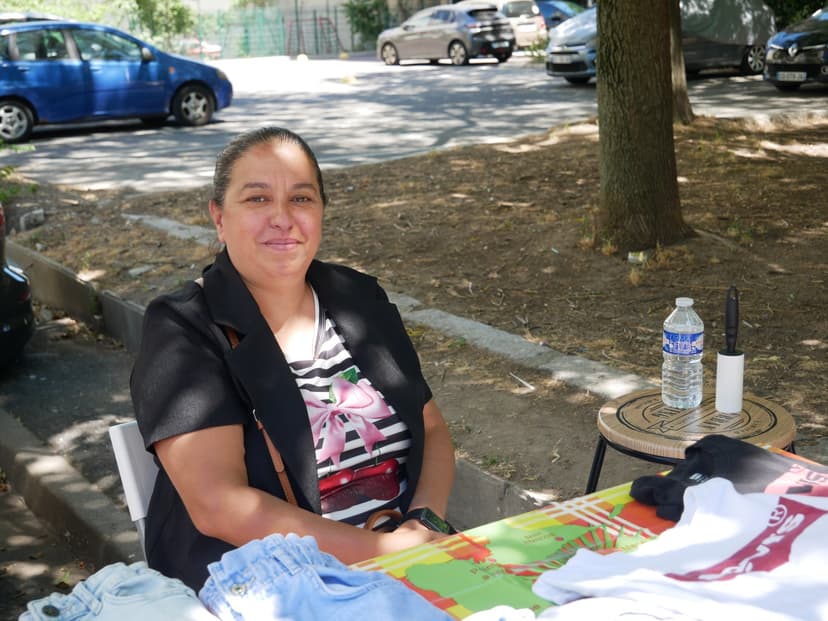
Recent heatwaves across France have starkly exposed deep-seated societal inequalities, particularly in urban areas like Saint-Denis. Residents in historically disinvested suburbs are struggling to cope with extreme temperatures, with many lacking air conditioning and finding limited access to public cooling facilities. Some, like Ibrahim Doukanthi, have resorted to swimming in unsafe canals to cool off during the weeks of June.
The inadequate response from authorities is a recurring concern, reminiscent of the 2003 heatwave. Louiza Ammari, a childcare worker, highlighted the lack of cooling solutions in her social housing building, where even a temporary pool was prohibited. She noted that free swimming hours at a municipal pool were inaccessible to her due to its burkini policy.
Political science professor Bruno Villalba points out that heatwaves are a symptom of social vulnerability, especially concerning housing. Wealthier individuals can afford insulation, air conditioning, or even vacations, options unavailable to many. Mael Ginsburger, a lecturer specializing in ecological transition inequalities, emphasizes that exposure to heat is not uniform, with vulnerable groups facing greater risks due to poor health and inadequate housing conditions.
For the homeless, the situation is even more dire, with NGOs like Medecins du Monde calling for long-term policies to protect them from suffocating conditions in urban 'concrete jungles.' Despite efforts from activist groups, authorities are criticized for relying on reactive measures like temporary shelters and water stations, which are deemed insufficient.
Even mountainous regions like Chamonix are not immune, experiencing temperatures significantly above average, leading to dangers like increased rockfall from shrinking glaciers. However, higher altitudes and forested areas offer some respite, with cooler nights and accessible green spaces, a stark contrast to the sweltering conditions in more densely populated, lower-lying areas.


