Home / Environment / Fish Trade Spreading 'Forever Chemicals' Worldwide
Fish Trade Spreading 'Forever Chemicals' Worldwide
31 Jan
Summary
- Global fish trade spreads 'forever chemicals' like PFAS.
- Certain fish species like salmon and cod are high in PFAS.
- Contaminated seafood poses risks to billions globally.
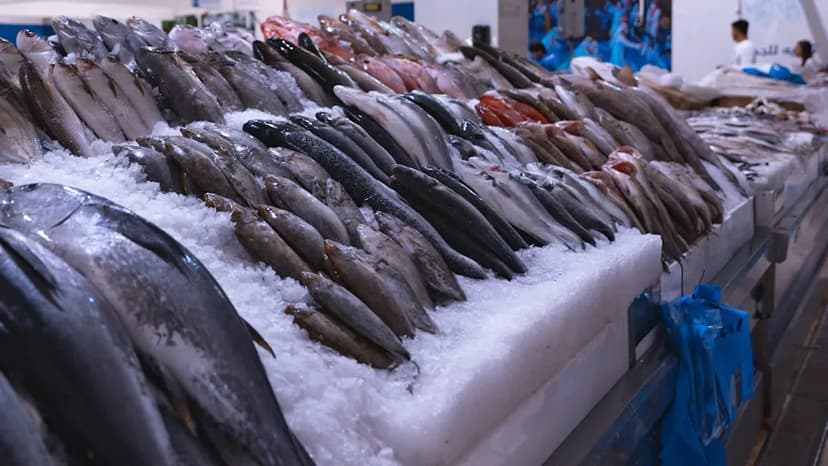
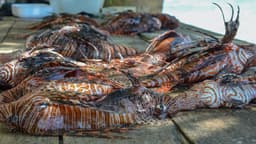
The global fish trade is a major conduit for 'forever chemicals,' such as PFAS, exposing populations across North America, Europe, and Oceania, according to a recent study. These persistent pollutants, known for their potential health disruptions, are found in significant amounts in popular seafood species. Salmon, scorpion fish, and smelts showed high levels, while cod-like and herring-like fish were key sources of exposure due to high consumption rates.
The research analyzed 212 species and trade routes across 44 countries between 2010 and 2021. Scientists noted that the study might underestimate exposure, as it primarily focused on fish caught within exclusive economic zones. This contamination highlights how international trade reshapes exposure landscapes, moving PFAS from high-residue to low-residue regions.
Despite the risks, experts suggest maintaining fish consumption due to its nutritional benefits. However, controlling PFAS exposure from fish is challenging due to complex global supply chains. Increased global cooperation, stricter regulations on PFAS use, and enhanced monitoring of the global fish trade are crucial steps to mitigate this pervasive environmental and health concern.