Home / Environment / Forest Fund Faces Power Struggle
Forest Fund Faces Power Struggle
17 Mar
Summary
- New forest fund secured over $5.5 billion in pledges.
- Indigenous groups seek real decision-making power.
- Critics question fund's impact on root causes of deforestation.

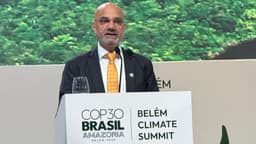
The recent climate summit in Belém, Brazil, highlighted the critical need to address power dynamics in tropical forest protection. Brazil's Tropical Forest Forever Facility (TFFF) was presented as a paradigm shift, securing over $5.5 billion in initial commitments, including $3 billion from Norway. This mechanism proposes to reward countries for keeping forests standing, not just for avoiding deforestation.
A key feature of the TFFF is its commitment to allocate at least 20% of performance-based payments to indigenous peoples and local communities. These groups were involved in the fund's co-design, but questions persist about their actual decision-making power, as they lack voting rights on governing bodies.
Critics, such as the Global Forest Coalition, have labeled the fund as potentially 'colonialistic,' arguing that it may benefit intermediaries and fail to tackle root causes like agribusiness expansion. Concerns also exist that payment rates might be too low, risking funds being absorbed by national governments without significant benefits reaching local communities.
Brazil has launched a digital platform to aid forest countries in navigating TFFF eligibility, offering technical assistance. This initiative comes as debates intensify over power imbalances in conservation, with indigenous protesters at the summit demanding territorial rights. Secure land rights remain central, reinforced by renewed pledges to support local communities.
Ultimately, the TFFF's success hinges on its ability to genuinely transfer power to forest communities, not just provide financial aid. True conservation depends on whether global finance strengthens community rights, rather than perpetuating historical patterns of exclusion and exploitation.