

Home / Environment / Nile Monitors: Florida's Newest Invasive Threat
Nile Monitors: Florida's Newest Invasive Threat
4 Apr
Summary
- Nile monitors, native to Africa, are now a high-risk invasive species in Florida.
- These large lizards damage infrastructure and prey on native wildlife and pets.
- Controlling established Nile monitor populations in Florida proves extremely difficult.
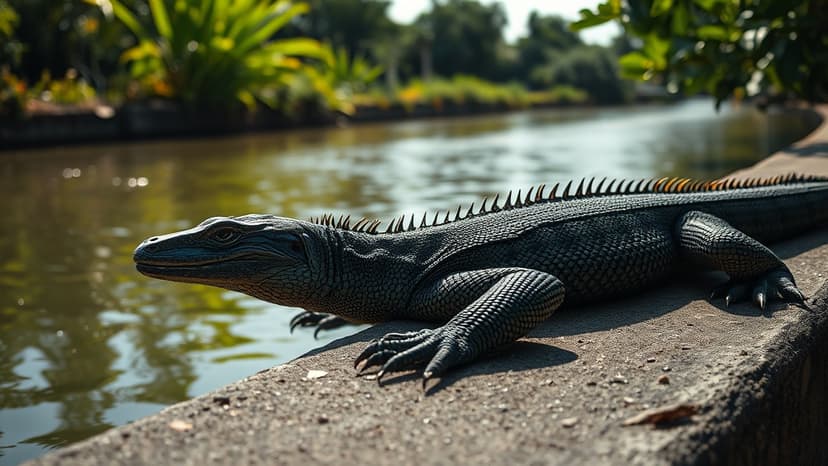
Nile monitor lizards, introduced to Florida in the 1980s via the pet trade, have become a high-risk invasive species. These large reptiles, capable of reaching over 7 feet, are voracious predators that feed on a variety of native species, including birds, turtles, and even juvenile crocodiles. Their presence also causes millions of dollars in damage to infrastructure as they dig extensive burrows that can destabilize sidewalks, foundations, and canal banks.
Once released into the wild or escaping captivity, Nile monitors easily spread through Florida's extensive network of waterways and canals. Their diet in Florida includes crabs, wading birds, toads, and other reptiles, posing a significant threat to vulnerable native species like burrowing owls and gopher tortoises. They are active hunters, spending time both in water and on land, and can also be a menace to farm animals.
Established breeding populations have been detected in Lee, Miami-Dade, Palm Beach, and Broward counties, and efforts to control them are ongoing. While hunting is permitted, eradication is notoriously difficult once populations are established. The Florida Fish and Wildlife Commission encourages reporting sightings and offers an Amnesty Program for surrendering unwanted non-native pets.
