Home / Environment / Eels Shock: Florida Battles Silent Invasion Threatening Wildlife
Eels Shock: Florida Battles Silent Invasion Threatening Wildlife
27 Feb
Summary
- Electrofishing stuns fish to monitor species in Florida's wetlands.
- Asian swamp eels, invasive since 2012, drastically reduced fish diversity.
- Eel invasion threatens wading bird populations by reducing prey.
- Restoration efforts in Everglades face new challenges from invasive species.
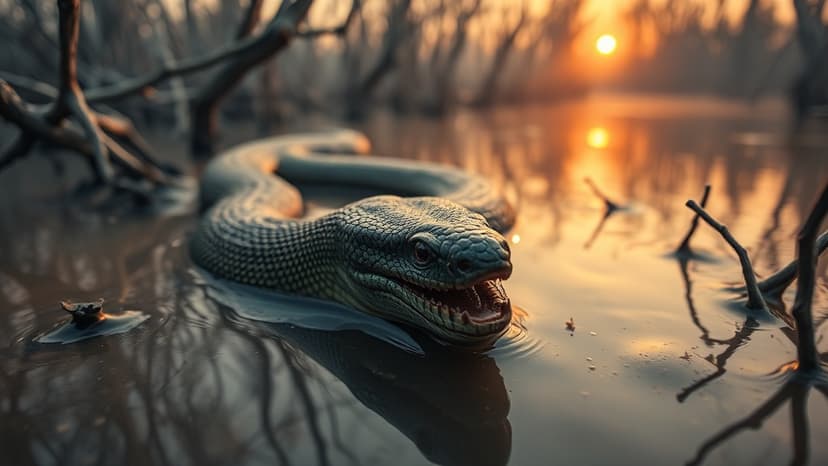
State wildlife teams in Florida are employing electrofishing, a technique using controlled electrical pulses, to assess aquatic populations. This method briefly stuns fish, allowing researchers to count and identify them, providing crucial data on ecosystem health. The focus has intensified due to the spread of the invasive Asian swamp eel (Monopterus albus), first noted around 2012.
Monitoring in areas like the Florida Everglades' Taylor Slough revealed significant ecological shifts following the eel's establishment. Studies indicate about a 25% reduction in fish and decapod species richness and a substantial decline in total biomass, impacting key prey species for wading birds.
These eels possess adaptations like air-breathing and resilience to low oxygen, making them difficult to control with traditional methods. While electrofishing does not aim for eradication, it helps track the eels' spread and feeding habits, informing management strategies.
Data from these surveys are critical for ongoing Everglades restoration efforts. The potential for further eel expansion into new water systems poses a risk to the delicate balance of the ecosystem and the bird populations restoration projects aim to support.