Home / Environment / Florida's Invasive Lizards: Falconers Join the Hunt!
Florida's Invasive Lizards: Falconers Join the Hunt!
14 Jul
Summary
- Argentine black and white tegus are a growing invasive threat in Florida.
- These large lizards prey on native species' eggs and nests.
- Wildlife managers are testing dogs, drones, and trained birds of prey for detection.
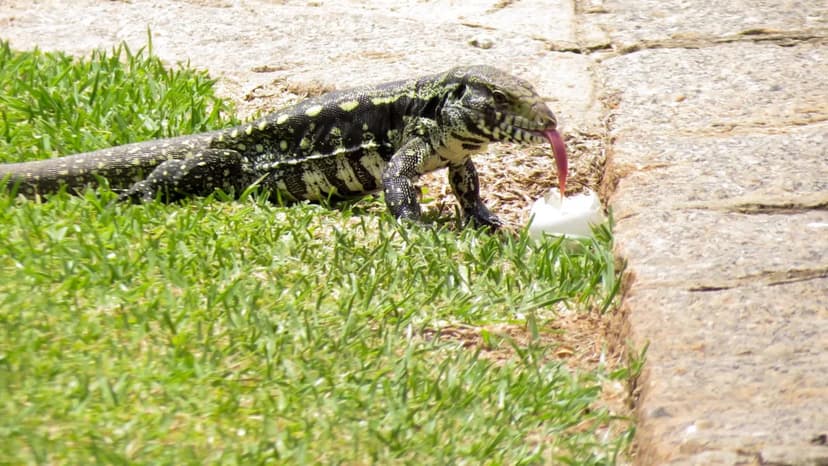
The Argentine black and white tegu, an invasive species native to South America, is rapidly expanding its presence in Florida, raising concerns among residents and wildlife officials. First documented in the wild around 2002, these reptiles have become a significant ecological threat, impacting native flora and fauna. Tegus are known to consume plants, smaller animals, and critically, the eggs and nests of protected species such as sea turtles, alligators, and ground-nesting birds. Their growing numbers have prompted increased sightings and documented breeding groups in several Florida counties.
In response to this escalating crisis, Florida has implemented measures to control the tegu population. Owning, selling, or breeding these lizards has been illegal since 2021 as part of broader restrictions on high-risk nonnative reptiles. Wildlife managers are now exploring a range of advanced detection methods to monitor and manage tegu populations. These efforts include the use of detection dogs, drones, and trained birds of prey. A pilot program in St. Lucie County has even enlisted the help of a falconer and their American kestrel, nicknamed 'Baby Bird,' to aid in locating these invasive lizards, highlighting the innovative strategies being employed to protect Florida's natural heritage.


